Economic cautions for Romania
International rating agencies are cautioning against the political risks for Romania’s economy
Daniela Budu, 19.05.2026, 13:50
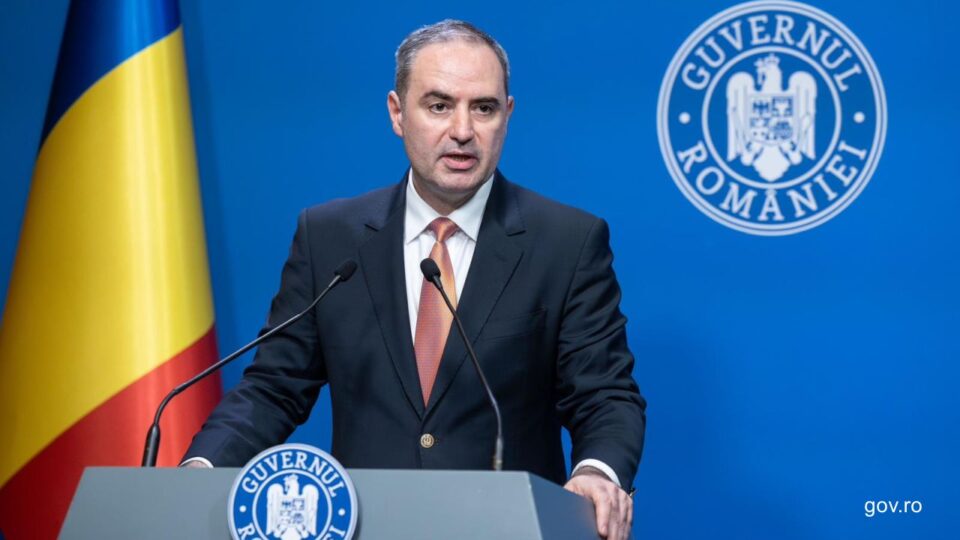
Fitch rating agency has cautioned against the risks posed by political instability, delays in the reforms under the National Plan of Recovery and Resilience and the foreign pressure on the economy, and for this reason the next months are crucial – says the incumbent Finance Minister, Alexandru Nazare.
Fitch has pointed out to the main risk, which is not the short term budgetary exercise, but the lack of predictability for the fiscal strategy in 2027 and the following years. Another rating agency, Standard & Poor’s is keeping Romania on the last but one notch recommended for investment. A protracted political crisis or the inability of curbing fiscal deficits in 2027 might lead to a downgrading – the institution cautions – adding that a situation like this could reduce the country’s chances of curbing its budget deficit by next year.
On the other hand, Standard & Poor’s says the rating’s outlook could be upgraded from negative to stable, if the fiscal and external deficits were significantly reduced and the economy recovered. However, to reach such an objective, a wide political consensus on fiscal consolidation measures would be needed, as well as the endorsement of a credible budget for the next year.
In a post on a social network, Alexandru Nazare says that maintaining the rating recommended for investment in a complicated external and interior context highlights the effectiveness of the consolidation measures adopted, but the reforms need to continue. According to him, what is actually important until the next reports are released by the rating agencies, are Romania’s concrete achievements, such as real reforms, European funds absorption, budget discipline and continuity in terms of fiscal consolidation. The Romanian official says the months of July, August and October will be critical, when Fitch, Moody’s and Standard & Poor’s respectively are going to release their periodical assessments and their decisions can have extremely serious consequences for the costs of the country’s loans.
Irrespective of the solution to the present political and governmental crisis, pundits believe that both the foreign and public debt of the Romanian state is going to grow in order to offset the trade balance deficits.
In the first three months of the year, Romania’s total foreign debt increased by more than three billion Euros, reaching 231.5 billion Euros. Furthermore, according to data released by the Central Bank, the interests to the loans of the Romanian state in the first quarter of the year rose by roughly 1% against the similar period last year while in the first three months, the current account of the balance of payments has registered a deficit over 5.3 billion Euros way down as compared to 6.2 billion in the same period last year. As for direct foreign investment in Romania, they stayed at 1.13 billion in the first quarter against the 1.63 billion in the first three months of 2025. Experts say that we aren’t talking about a relevant evolution because by the end of the year Romania can receive sizable European funds under the PNRR and SAFE programmes, which can significantly contribute to attracting investors.
(bill)