Modern idea from Western Europe began to be adopted in the east of the continent in the 18th century, including new approaches to treating diseases in medicine and pharmacy.
Throughout history, wars have always been waged through means other than military ones.
The communist government’s fight against 'kulaks', the most capable people in the rural world, was a fight against performance itself.
The year 1924 proved difficult for Romania in terms of relations with the Soviet Union, its powerful neighbour and declared adversary.
They illustrate how a segment of the civilian population may join an anti state movement without possessing full knowledge of the forces at play.
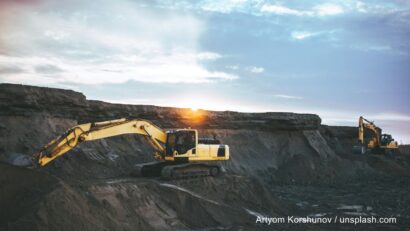
Mining is an old occupation in the Romanian lands, present in the earliest records of the inhabitants of these parts.
After enduring the trauma of the brutal and far reaching societal transformations imposed by the communist regime installed in 1945 with direct Soviet backing, Romania had to relearn how to pursue an autonomous foreign policy that could serve its own interests.
Alongside gathering and fishing, hunting was one of humanity’s fundamental means of securing food for oneself and the community.
After 1945, the feminist movement in Romania was subordinated to the policies of the communist regime.
In the capital of Bukovina, Chernivtsi, in Romanian Cernăuți, the Romanian elites had formed in the national spirit, with the Aron Pumnul High School being the spearhead.
The period between 1508 and 1830 is the time when historians believe that early printed books were produced in the Romanian-speaking world
The history of Catholic confessional education within the Romanian territories spans several centuries.
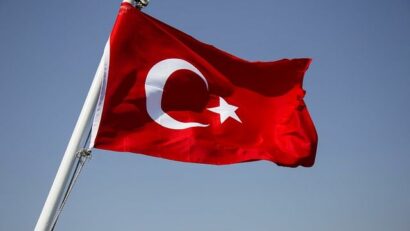
No other influence has been greater on the Romanian space in the last millennium than the Turkish influence
In the history of Romania there have been families to whom we literally owe the existence of the country. And then there were the infamous Ceausescus.