European Parliament requests bigger multiannual budget
MEPs seek 10% increase for the 2028-2034 Multiannual Financial Framework initially proposed by the European Commission.
Bogdan Matei, 08.10.2026, 14:00
MEPs from various political parties are requesting a 10% increase in the EU’s future multiannual budget for the period 2028-2034 initially proposed by the European Commission. They argue that this will allow the EU to effectively finance its projects in key areas such as defence and security, competitiveness, cohesion policies and agriculture. To achieve this increase, they are proposing new sources of revenue for the common budget, namely taxing digital services, online gambling and cryptocurrency transactions.
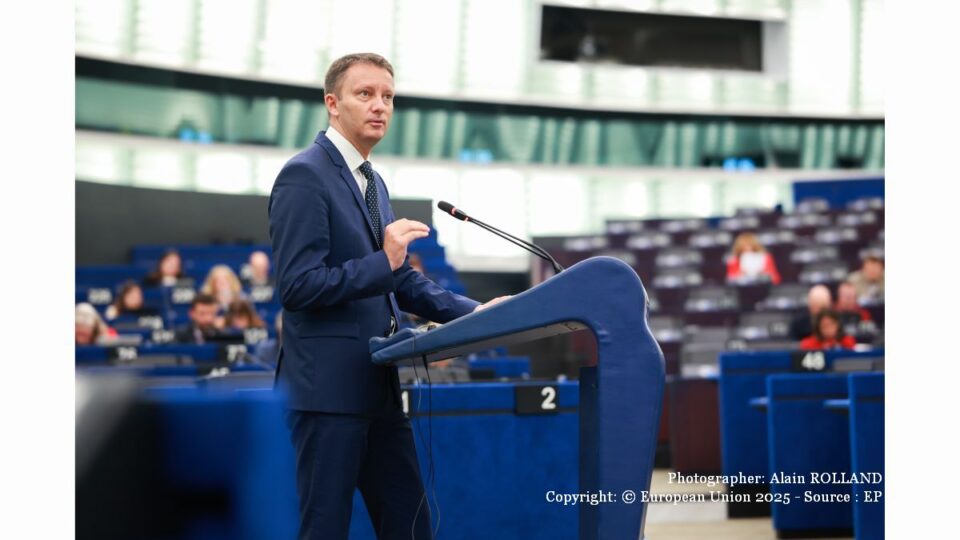
The Parliament’s co-rapporteurs for the future budget, Romania’s Siegfried Mureşan and Portugal’s Carla Tavares, emphasised that a smaller budget will force member states to tackle more challenges separately at national level and, probably, at higher costs. “We are no longer dealing with temporary crises, but with structural challenges”, and “our response must be equally structural and ambitious”, said Carla Tavares, adding: “We are not asking for ‘more money’. We are asking for resources that match the responsibilities assigned to the EU”.
France’s Julien Sanchez said that under the current proposal for the future budget farmers are left without clear dedicated support. The Vice-President of the European Parliament, Romania’s Victor Negrescu, drew attention to the need to better connect the prevention and fight against corruption with the recovery of money originating from this phenomenon.
The spending of European money remains problematic and the pressure to absorb funds may affect the objectives of projects, warns the latest annual report of the European Court of Auditors ahead of the preparation of the future long-term budget of the Union. This is the seventh consecutive year that auditors have found that some of the EU funds’ spending did not fully comply with the rules, with the biggest problems identified in the case of cohesion funds and those for agriculture and the environment. The irregularities concerned, among other things, ineligible projects or costs and non-compliance with the regulatory framework on public procurement. Regarding spending under the Recovery and Resilience Mechanism, cases were identified where the objectives initially assumed by the Member States were simplified or reduced.
A member of the European Court of Auditors, Lucian Romaşcanu, a former Romanian minister, told Radio Romania that the beneficiaries of EU funds “did not respect the full milestone as defined by the national programmes”. The Court requires that future objectives be clear, measurable and verifiable, so that the absorption of EU funds does not become more important than the results obtained.