Romania backs “Friends of Cohesion”
Romania and 15 other EU countries have requested more money for the Common Agricultural Policy and the Cohesion policy in the next long-term budget of the bloc
Daniela Budu, 27.05.2026, 14:00
The 27 EU members held a new round of talks on Tuesday over the future multiannual financial framework for the period 2028-2034, before the European summit in June. In Brussels 16 countries from the southern and eastern Europe have stood for raising the funds allotted to the Common Agricultural Policy and the Cohesion Policy against the proposal made by the European Union.
These countries have requested in a joint letter to be able to keep the national control over the budgetary planning, calling for less strict conditions, for maintaining the financial mechanism aimed at attracting funds and for a balanced access for the states to the competitiveness funds. The signatories say the Union doesn’t have to give up the traditional policy with emphasis on cohesion funds and agriculture, aimed at reducing unbalanced development between the bloc’s countries at the same time ensuring food safety.
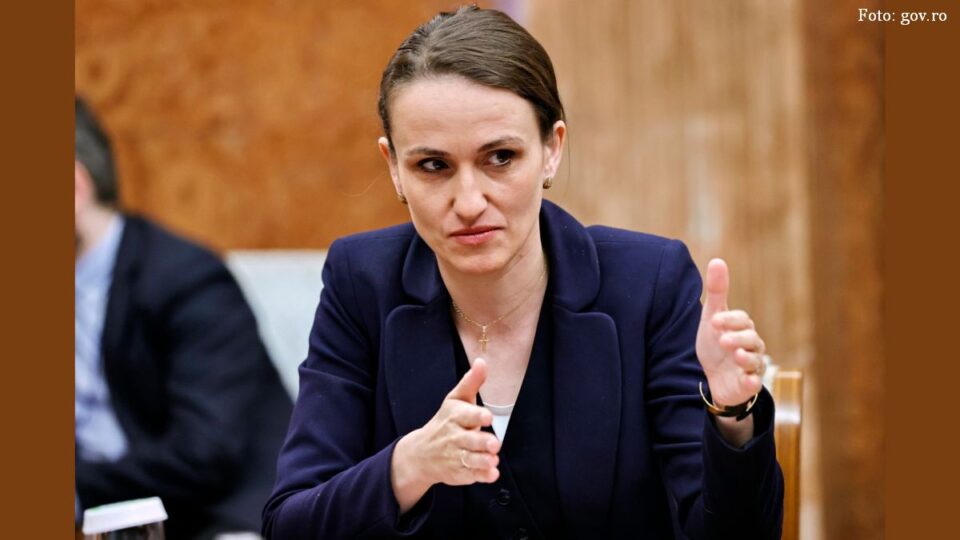
The proposal of the 16 states, which call themselves ‘Friends of Cohesion’, ‘is not a return to the past or to the old Multiannual Financial Framework, but rather strengthens the ‘negotiation position’ for allocations from the EU’s long-term budget, Romania’s interim Foreign Minister, Oana Toiu said in Brussels. This negotiation, she said, ‘is necessary for Romania’s interests and for the interests of the 16 countries as friends of cohesion, but also for the future of the European Union as a whole.’ Oana Ţoiu said the sufficient allocation for the agricultural and cohesion policies is absolutely necessary also for addressing the new objectives, such as boosting competitiveness, in the sense of reducing bureaucracy and raising the ability of supporting economic actors to become capable global players.
The Romanian Foreign Minister also says that from a security perspective citizens need to see direct investment in their future to support the European project.
At the same time, Oana Ţoiu made an appeal to flexibility when it comes to long term investment.
Oana Ţoiu: “ We believe it is very important to have flexibility for long-term investment. Our joint proposal is to maintain the existing n+3 rule meaning that funds can continue to be used for three years after the end of the programming period so as to avoid de-commitment. Co-financing is also extremely important, especially for local authorities, companies and entities with smaller budgets, because significant co-financing effectively multiplies the impact of their own resources”
Romania and the other signatories insist that the bloc countries maintain control over the planned funding without new mechanisms limiting their national autonomy. In terms of revenues, the group says it is open to talks about the bloc’s own resources on condition they are simple, equitable and reduce the pressure over the national budgets. The talks in the Council are going to continue in Brussels for the coming months before the final negotiation with the European Parliament.
(bill)