The Romanian Principalities found the path to modernization in the first half of the 19th century

Bratianu family's estate nearby Bucharest

On September 6, 1940, the regime led by General Ion Antonescu in partnership with the legionnaires, proclaimed Romania a national-legionary state.
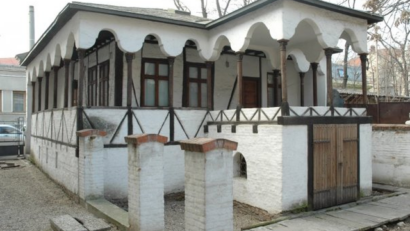
Voina House is believed to be the oldest surviving private residence in Bucharest.

A complex author whose interests varied from the history of religions to literature, Mircea Eliade was also known internationall…

Alexandru Ioan Cuza was the first ruler of the united principalities of Moldavia and Wallachia.

Radio Romania has been, in its 91 years of existence, an actor and an observer of history

Sibiu County attracts growing number of tourists interested in complete holiday packages

President Iohannis signs law establishing a National Museum of Jewish and Holocaust History in Romania
In the 19th century, the Romanian intellectuals and society were trying to achieve the nation state.

Before 1919, Jews in Romania had no civil rights.

The Romanian-Hungarian dispute of the 20th Century had, among other components, one related to the academic community, more precisely to the University of Cluj

Religion and churchgoing were generally frowned upon back in Communist Romania. Religious practices were being discouraged and back in the early days of communism, some clergymen served many years in prisons for their faith

The early 19th century was a time when the Romanian space modernized. It involved a new way of seeing the world, with an increasing awareness of fundamental rights and freedoms that no authority could violate