European Parliament seeks 10% increase in EU multiannual budget
The European Parliament has established its negotiating position for the next EU multiannual budget.
Leyla Cheamil, 29.04.2026, 13:50
The European Parliament has adopted its position for negotiations with member states on the bloc’s future budget for the period 2028-2034. MEPs proposed an increase of around 10% over the European Commission’s proposal from July 2025. The increase would be evenly distributed between the three chapters supporting the EU’s priorities, apart from administration and agencies, and would thus reduce inflationary pressures.
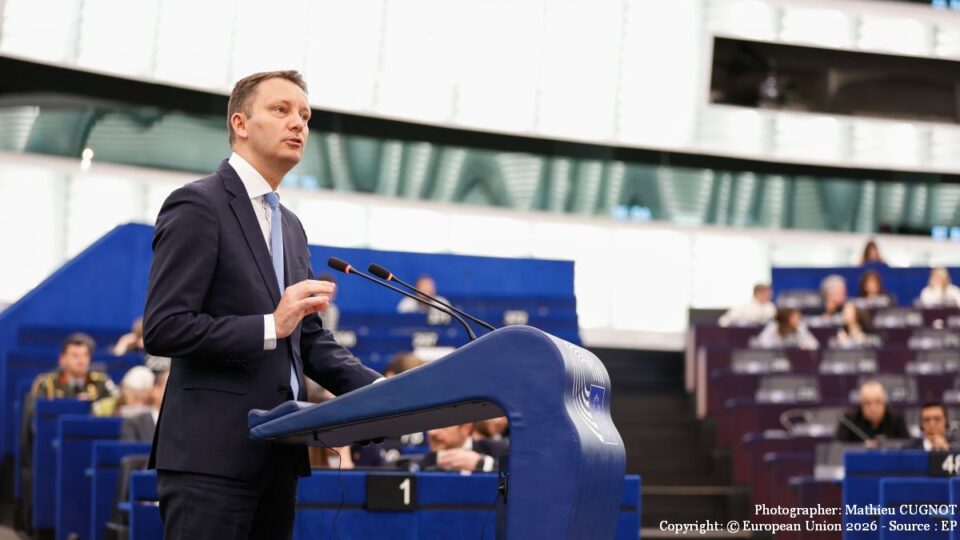
Siegfried Mureşan, Romanian MEP and co-rapporteur for the European Parliament’s interim report, believes that the adoption by absolute majority of the European Parliament’s mandate to negotiate the future multiannual budget is a victory. He says the main obstacle during the upcoming talks is that each president or prime minister of individual EU member states will try to contribute as little as possible to the EU budget and benefit as much as possible.
MEPs want a predictable, adequate and transparent budget, with a focus on key areas, including agriculture and energy independence. Additional budget allocations for research and innovation are also earmarked, to make sure that Europe doesn’t in the future become dependent on technologies developed in third countries. Sources of revenues include digital taxation, online gambling and cryptocurrency transactions. MEPs emphasise that the next EU budget must remain an instrument for investment, supporting the bloc’s citizens, regions, companies and small and medium-sized enterprises. The areas of defense and competitiveness emerge as new priorities, without reducing funding for agriculture and the cohesion policy.
MEP Siegfried Mureşan, a negotiator for the European Parliament, says that this latter area must align with the new objectives of the European Union and that, in this context, Romania needs an ambitious and modern cohesion policy. Siegfried Mureşan:
“If over the next 20 years Romania only intends to use cohesion policy funding to build sports facilities and lighting installations, then I’m afraid that the gap between Romania and the other Western European states, who invest in artificial intelligence and digitalization, will increase. So, it’s also in our best interest that the cohesion policy also funds projects that directly contribute to increasing competitiveness and security, where possible”.
Siegfried Mureşan also says that member states must go ahead with reforms to attract funding, while respecting the rule of law and European values. MEPs also support the allocation of additional resources for external actions and call for consolidating funding for the bloc’s enlargement, for supporting Ukraine, multilateral cooperation and humanitarian aid.