Measures to reduce fuel prices
Fuel prices continue to grow in Romania.
Roxana Vasile, 30.07.2026, 14:00
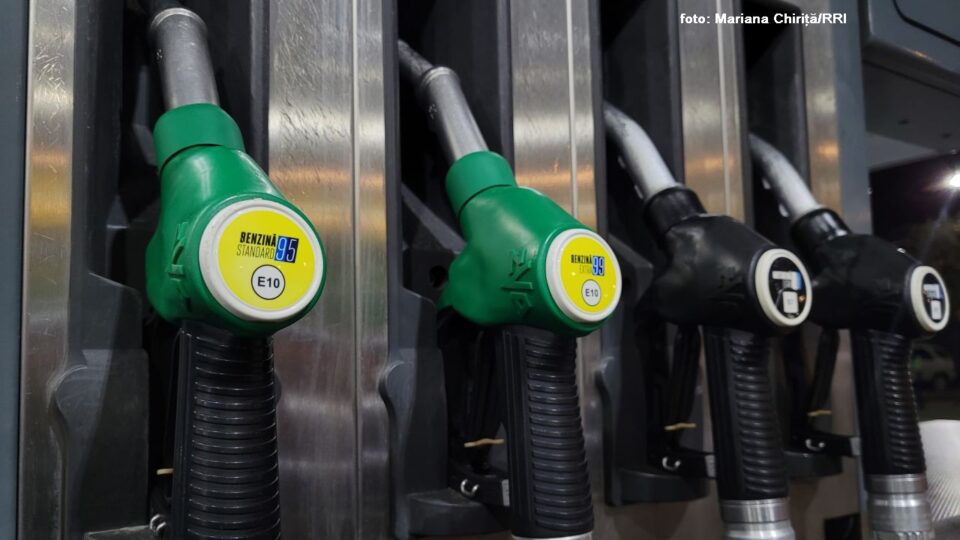
Fuel prices keep rising in Romania. This week, the average price per litre of diesel has hit and passed the psychological threshold of 10 lei, which is about 2 euros. Meanwhile, the retail price of a litre of standard petrol for end consumers has passed 9.15 lei, so more than 1.8 euros. The situation is the result of the geopolitical context and supply issues amidst uncertainty regarding the resumption of oil exports from Kazakhstan via the Black Sea.
Against this backdrop, the Chamber of Deputies, acting as the decision-making body in this respect, adopted a bill on Wednesday providing for a temporary and gradual reduction of excise duties on diesel by between 5% and 25%, depending on the evolution of retail prices. This reduction will apply during periods of crisis and will automatically cease once the crisis ends.
Social Democrat MP and former energy minister Bogdan Ivan, one of the bill’s initiators, explained:
“We drafted this bill in order to reinstate a state of crisis with respect to fuel, in order to restrict exports, cap commercial markups, levy a windfall tax on the exceptional profits generated by oil companies during this period, and to implement a differentiated reduction in excise duties, starting at 34 bani per litre for standard diesel and potentially rising to 82 bani, depending on international quotes in the prices of an oil barrel and diesel.”
The bill was supported by all parliamentary groups. However, the nationalist opposition criticised the delay in adopting these measures and said they were not enough. Adrian Ţiu, from SOS Romania:
“You are proposing to lower diesel and petrol prices, but what do we see when we look at the methodology? Are we only lowering the price of diesel? What are the people of Romania supposed to do about petrol? Those of us in the south go to Bulgaria and buy it there, where it is cheaper by 2 lei.”
“Romania is no longer only facing a price crisis, but the real risk of a supply crisis. The issue on the fuel market today is no longer just the cost of fuel, but whether there is enough product available. The European market is struggling with a shortage of diesel and other petroleum products. Stocks are dwindling, and competition for available volumes is unprecedented,” said interim finance minister Alexandru Nazare earlier this week.
While available data do not point to an imminent shortage on the domestic market, Romania could be faced with a genuine oil security issue in the medium term, a view shared by economic experts cited by the media. “On paper, Romania appears well-protected against an oil crisis. It has its own domestic production of around 2.7 million tonnes of crude oil per year, two major operational refineries, access to the Black Sea, and enough emergency stocks to make up for approximately 90 days of net imports,” according to a Hotnews.ro study. “In reality, however, imports account for about three-quarters of Romania’s crude oil demand, and recently, more than 60% of these imports have come from Kazakhstan.”