Lawmakers Adopt Measures Against Drug Trafficking
The Chamber of Deputies in Bucharest unanimously adopted the new European measures to combat drug trafficking.
Roxana Vasile, 10.09.2026, 13:50
Drug use in Romania has increased in recent years across nearly all categories of substances, with an alarming rise particularly among young people and children, as well as young women. National authorities are implementing prevention and treatment measures through specialized institutions to combat illicit drug use. Meanwhile, Parliament is constantly reviewing new legislative proposals to support the victims of this addiction. Experts in the field point out, however, that in addition to efforts aimed at harm reduction, overdose prevention, or educational campaigns in schools, there is a need, perhaps even more so, for laws targeting the trafficking of illicit substances. Since this constitutes a major form of organized crime, not only at the national level but also transnationally, state institutions are collaborating at the European level to combat this type of criminal activity.
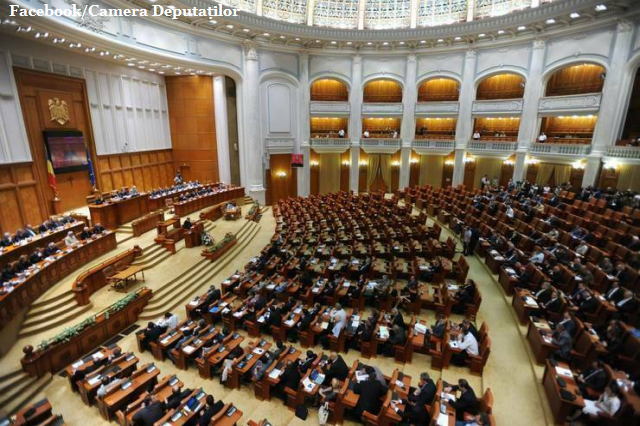
This very Wednesday, the Chamber of Deputies in Bucharest unanimously adopted the new European measures to combat drug trafficking. A five-year EU action plan focuses on early prevention and strengthening controls at external borders through the use of state-of-the-art scanning technologies. The European plan also imposes strict rules on the real-time monitoring of chemical precursors to stop the manufacture of synthetic drugs, as well as tough measures against the recruitment of minors through social media. The new strategy also supports a “follow the money” approach to combat corruption linked to drug trafficking and to integrate customs, police, and judicial cooperation into a unified framework. It also supports strengthening cooperation with third countries located along trafficking routes, particularly in Latin America, West Africa, the Western Balkans, and the Middle East and North Africa region.
In Bucharest, the representatives of all parliamentary groups noted the need to improve policies and measures to combat drug trafficking and drug use. The top priority is to combat smuggling networks in the Port of Constanța on the Black Sea and at the land borders.
The Alliance for the Union of Romanians (AUR) representative Cristina Dascălu said: “Let’s dismantle criminal networks, confiscate their profits, control our borders and ports more effectively, and strengthen cooperation between the police, the judiciary, and European agencies.”
Save Romania Union (USR) MP Stelian Ion spoke about concrete measures: “Through the National Recovery and Resilience Plan (PNRR), Romania has secured approximately 34 million Euros to purchase 26 high-capacity scanners. Some of them are located in the Port of Constanța, and I hope they will help combat this scourge.”
In short, by adopting the European strategy to combat drug trafficking, the specialized agencies in Romania and across Europe will step up their cooperation in an effort to address an issue of major importance to society. (LS)