Steps towards resuming sheep and goat exports
Romanian authorities continue talks to unblock sheep and goat exports
Leyla Cheamil, 21.09.2026, 13:50
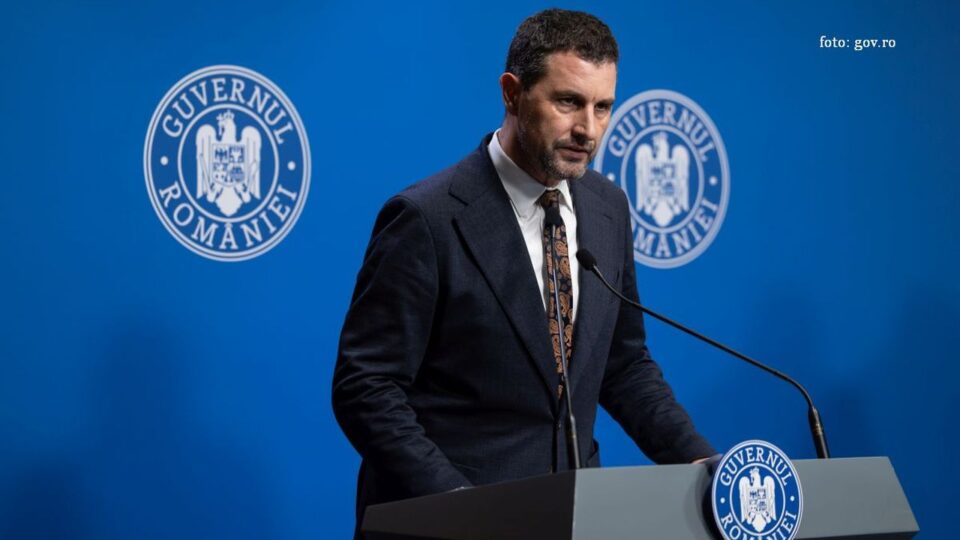
The European Commission’s approval of Romania’s Action Plan to unblock sheep and goat exports is a positive development. According to acting Minister of Agriculture and Rural Development Tánczos Barna, the approval represents the first necessary step towards resuming international trade in the sector, while the ministry continues its diplomatic efforts to secure the decisions required for exports to restart.
He also stressed that the National Sanitary Veterinary and Food Safety Authority (ANSVSA) must implement the Action Plan professionally.
Last week, sheep farmers protested in Bucharest over the handling of outbreaks of Peste des Petits Ruminants (PPR) and Sheep and Goat Pox (SGP), as well as measures resulting in the culling of animals. They also voiced their dissatisfaction with the ban on sheep and goat exports imposed because of PPR.
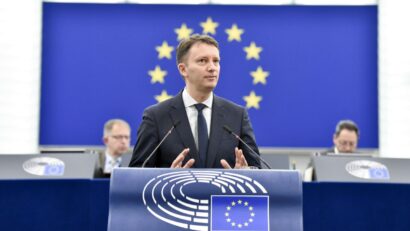
The agriculture minister said that, during a videoconference with European Commissioner for Health and Animal Welfare Olivér Várhelyi, he presented the measures Romania has taken to combat PPR and sheep and goat pox. He also argued for adapting EU rules to allow vaccinated animals to be exported and thanked European Commission experts for their cooperation over the past few months.
The plan submitted to the European Commission on 11 September provides, among other measures, for the differentiated administration of 1.3 million vaccine doses supplied free of charge by the European Commission.
The approved solution protects exports of carcasses and dairy products, which will remain unaffected thanks to the implementation of the full immunisation scheme.
At the same time as the plan was approved, ANSVSA secured six non-EU export markets for animals vaccinated under the full vaccination scheme, following the signing of international agreements with Saudi Arabia, Jordan, Morocco, Tunisia, Israel and Libya. Seven other similar agreements are at an advanced stage of negotiation. These will provide a broader range of export markets once the new epidemiological status takes effect.
The National Sanitary Veterinary and Food Safety Authority said all 1.3 million vaccine doses provided by the European Commission will be administered entirely free of charge, at no cost to livestock farmers.
Government compensation mechanisms also remain fully in place to support farmers directly affected by outbreaks as they restock their farms.
Official figures show that around 19,000 sheep have been culled in Romania so far in 2026, in full compliance with national and EU rules and as part of efforts to prevent the spread of Sheep and Goat Pox and Peste des Petits Ruminants. This represents 0.13% of the country’s estimated total sheep population. (MI)