Aviation fuel and pipelines for Europe
The European Commission wants EU refineries to produce more diesel and jet fuel, in order to ease market pressure and ensure supply, including in the event of a military crisis.
Corina Cristea, 29.10.2026, 13:50
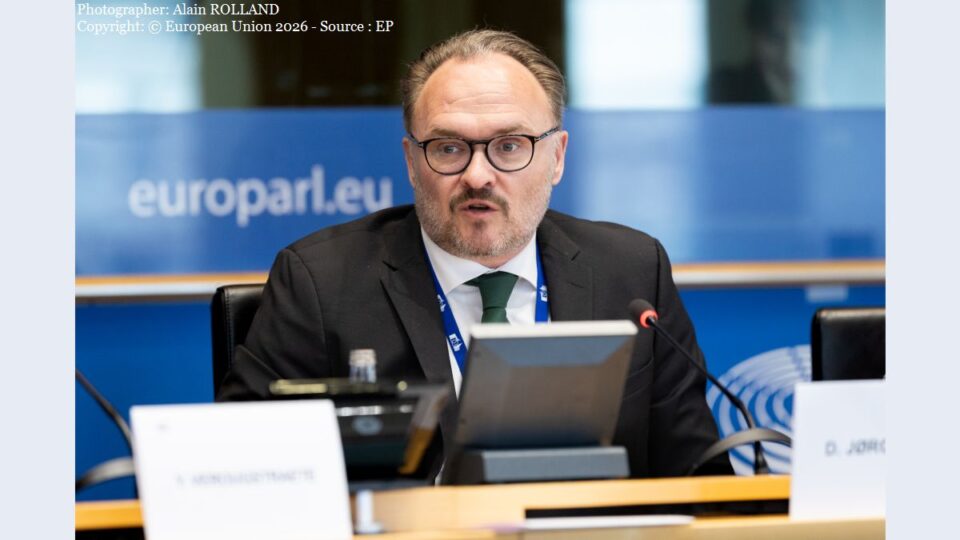
A difficult winter lies ahead, and 2027 is expected to see prices remain high due to the ongoing global crisis; consequently, the European Union must secure supplies of diesel and jet fuel, essential for the economy, the transport sector, and the military. This is the stance of Brussels, as expressed on Wednesday during a press conference held by the European Commissioners for Energy and Defense, Dan Jørgensen and Andrius Kubilius, respectively, following discussions with representatives from refineries, the energy industry, and NATO. The talks focused on how to boost European production and prevent potential supply disruptions. The European Commissioner for Energy stated that the objective is twofold: to reduce costs and to strengthen Europe’s capacity to secure the necessary fuel supplies.
According to the European Commission estimates, European refineries currently supply approximately 70% of the kerosene and 85% of the diesel consumed in Europe; however, Brussels aims to strengthen these capacities against the backdrop of an unstable geopolitical environment, in which oil markets are exposed to the risk of further disruptions. Last week, the European Commission stated that the supply of diesel and kerosene remains limited, but that there is, for the time being, no physical shortage of these products in Europe.
Dan Jørgensen: “In spite of the difficult situation, markets have shown remarkable resilience over the past months. Refineries have played a vital role in ensuring security of supply, by producing the fuels that the market needs, including jet fuel. Nevertheless, as the International Energy Agency has pointed out, we expect the global diesel market to remain tight, well into 2027. And this will keep prices high. So we can’t stand still.”
Beyond the issues of pricing and supplying the economy, the discussion also carries major military implications. European Commissioner for Defense Andrius Kubilius warns that Europe must have sufficient fuel to sustain its armed forces, including in the event of a conflict. NATO estimates indicate that the Alliance should be capable of deploying and sustaining 100,000 troops during the first 10 days of a potential armed crisis.
Andrius Kubilius : “The battles are won with infantry, wars with logistics. And the supply of fuel is the most important part of what we call logistics. Ensuring our armed forces an adequate supply of fuel is critical to Europe’s readiness.”
The Commissioner also calls for the analysis of specific projects to extend fuel pipelines from Europe toward NATO’s eastern flank. Built largely during the Cold War, the existing infrastructure is efficient but operates mainly in the western part of the continent. NATO’s current plans already include programs to rethink the military fuel supply infrastructure for the Alliance’s eastern member states, and Romania is included in this initiative. (LS)