

The National Radio Theatre (TNR) also referred to as the National Radio Drama Department is the institution that produces drama for Radio Romania; its…
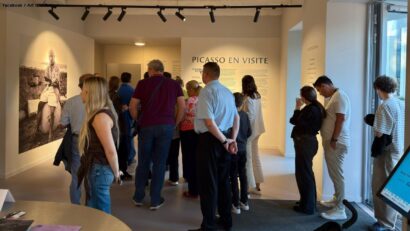
“Picasso en visite” opened in Timișoara on 17 September, presented by the Art Encounters Foundation in partnership with the Musée Picasso in Antibes.
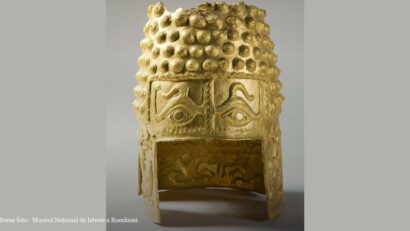
The Coțofenești helmet is one of the most valuable gold artifacts ever discovered on the territory of Romania, belonging to the Thraco-Getic civilization.
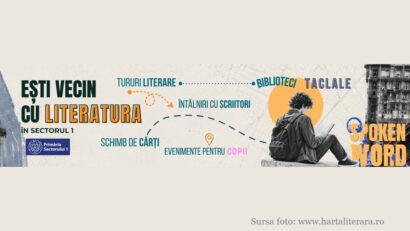
Throughout October, Bucharest is playing host to the project "You're Neighbours with Literature in District 1."

A programme run by Save the Children and the Vodafone Foundation has provided digital education to more than 21,000 pupils in Romania.

Alburnus Maior is the ancient Roman name for the town of Roșia Montană, located in central Romania, in the historical region of Transylvania, in the Apuseni Mountains, in Alba County.

The “Cultivators of Life” programme seeks to bring together ancestral knowledge inherited through traditional cultivation practices, contemporary gardening practices, and scientific knowledge
The “Anastasie Fătu” Botanical Garden in Iași is celebrating its 170th anniversary — 170 years devoted to science and culture in the service of nature.

Police in Piatra-Neamț responded to 3,359 cases of domestic violence during the first seven months of the year, with almost two-thirds reported in rural areas.

A new edition of the National Social Programme of National Interest to Support In Vitro Fertilisation (IVF), starts on 17 August.
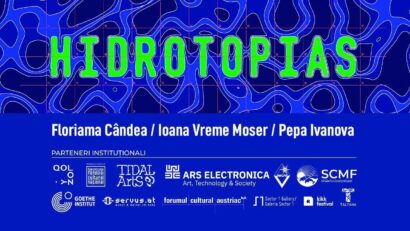
Hidrotopias exhibition explored the relationship between water, technology and life forms in the Danube Delta.

The most famous symbols of power in the heritage of the National Museum of History of Romania (MNIR) are the ceremonial maces (royal scepters) — objects in a form with deep roots in the Romanian military and princely tradition

The exhibition ‘Felix Aftene. Diary”’ is on view at the Contemporary Pavilion of the Art Safari New Museum, the new exhibition space in the heart of Bucharest

Many children in Romania feel the lack of time spent with their families, rest, and outdoor activities
The Dacian bracelets in the collections of the Romanian National History Museum (MNIR) are among the most spectacular Romanian cultural heritage items

























