Hiking in the Vlădeasa Massif
Cluj County, located in the heart of Transylvania, has one of the best-organised hiking networks in Romania.
Daniel Onea, 05.11.2026, 14:00
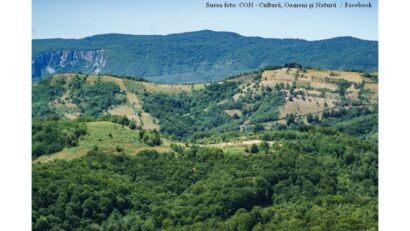
Cluj County, located in the heart of Transylvania, has one of the best-organised hiking networks in Romania. All 59 mountain trails that are part of the county’s basic network are officially approved, guaranteeing safe access to the spectacular landscapes of the Apuseni Mountains. Of these, 16 routes cross the Vlădeasa Massif, the second highest in the Apuseni Mountains, which stands out both for its gentle peaks of volcanic origin and for its impressive karst relief, with wild gorges, caves and spectacular waterfalls. Florin Mihuț, the president of the Vlădeasa Cluj Mountain Rescue Association, tells us about the main routes available to visitors:
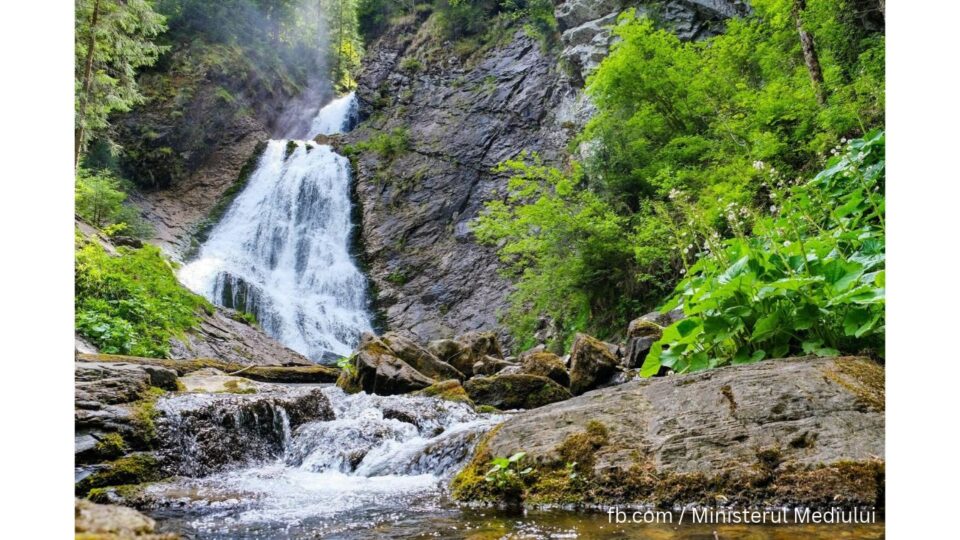
“One route is that leading to the Bride’s Veil Waterfall, the starting point for many short hikes, of one hour or less, to various tourist attractions. Another route, which is very spectacular, is that marked with a yellow triangle, which leads to Pietrele Albe, from Poiana Vârtop. Pietrele Albe is a limestone wall with an 18-meter-wide waterfall. The Bride’s Veil Waterfall is a very accessible destination and popular with tourists. Very close is the Grotelor Trail, which takes two hours to complete. It is dotted with caves and stone bridges that you pass under. It requires a minimum level of experience and appropriate equipment, and the more difficult area is well secured with support chains. Another point of attraction is Lespezi Peak, which provides a panoramic view of the Bride’s Veil Waterfall.”
The Bride’s Veil Waterfall in Răchițele, located at an altitude of approximately 1,000 meters, is one of the most spectacular waterfalls in Romania. The water disperses on the rock in the shape of a white fan, similar to a veil. According to an old local legend, the name of the waterfall recalls a bride who is supposed to have fallen from the rocks on her wedding day. Her veil is said to have remained hanging on the stone wall, the tears of the wedding guests turning into the stream of water. The Pietrele Albe formation is impressive for its steep walls of white limestone, which contrast strongly with the surrounding coniferous forests. Due to this spectacular karst relief, the area is known as the Dolomites of the Apuseni. All these routes around the Vlădeasa Massif are taken care of and monitored by mountain rescuers. Florin Mihuț tells us more about their level of difficulty:
“The trails are suitable to hikers with a minimum level of experience. They only need to have the proper equipment and to take into account the weather conditions. The climb from the waterfall to Lespezi Peak takes about an hour. The cave route takes two hours back to the starting point. The routes are very well marked and signposted.”
Beyond the wild beauty of the mountain, the villages at the foot of the massif, Mărgău and Săcuieu, keep alive the cultural identity of the Apuseni Mountains. Tourists who arrive in these parts can visit the famous giant Sequoia tree from Rogojel, which is over a century old, and discover traditional crafts and authentic local gastronomy:
“The area has developed a lot from a tourist point of view, with the modern combining well with the traditional. We have blacksmiths and craftsmen in the area who process wood. We also cook traditional food: guests can taste the famous balmoș from Apuseni or pea soup with bacon. Accommodation is also widely available, with many places where we can stop in the evening. There is also a folklore music group in the area, as well as a village museum, in Răchițele. Here, traditional costumes are exhibited and old sewing and craft techniques are presented.”
The region is perfect for active tourism all year round. In fact, four sports competitions are held every year in the area under the Vlădeasa Cup competition, which was in its 7th year in 2026. It includes trail running, mountain biking, climbing and ski touring competitions. Florin Mihuț, the president of the Vlădeasa Cluj Mountain Rescue Association tells us what activities are available:
“There are areas intended for mountain biking enthusiasts and a specially designed area for horseback riding. In winter, in the Vlădeasa Massif area, which reaches an altitude of 1,836 meters, we intensively promote alpine skiing, ski touring and freeriding. If the weather is favourable, the massif is very easily accessible, with only a small section exposed to risks of avalanches. The ski slopes are in Mărișel and in the Băișoara-Buscat ski area.”
To plan ahead, travellers can consult the detailed descriptions, interactive maps and GPS routes available on the website of the Vlădeasa Mountain Rescue Association. In addition, mountain safety is supported today by modern technology, says Florin Mihuț:
“The Mountain Rescue Service has a national call center, available 24 hours a day. Tourists also have the official Salvamont application at their disposal, which can be downloaded free on smartphones. It provides useful information about trails, weather and ski slopes, many of which are equipped with webcams. Moreover, if a tourist in difficulty triggers the alarm through the application, the system allows us to automatically locate their exact position, substantially reducing intervention times. I assure visitors that the mountain area is safe, but we urge them to always have appropriate equipment, a charged phone and check the weather forecast in advance.”
Regardless of the season chosen for travel, the mountainous area of Cluj County remains an accessible and welcoming destination, where hikes through spectacular landscapes are combined with the authentic traditions of the Apuseni Mountains.