A New School Year in Romania
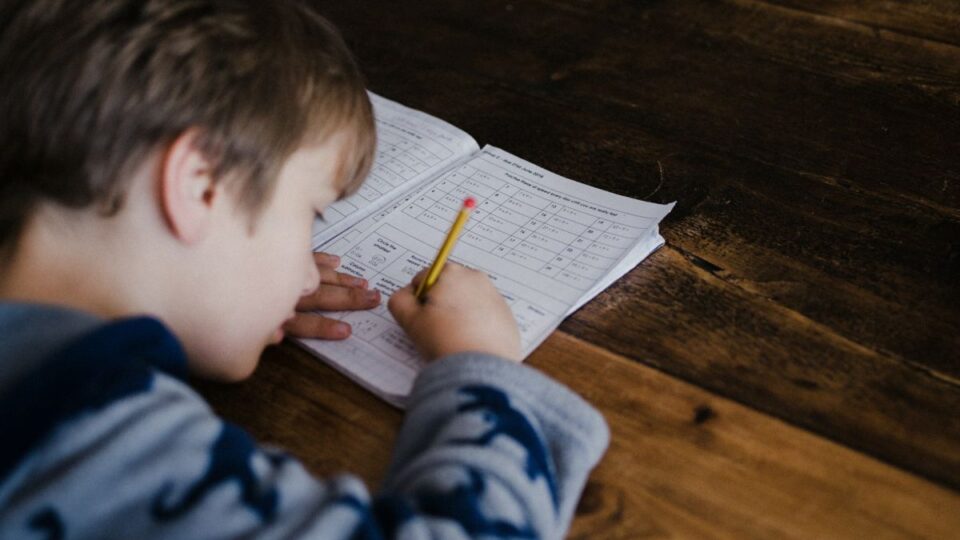
The new school year has begun for nearly three million students and preschoolers in Romania.
Leyla Cheamil, 07.09.2026, 14:00
The long-awaited summer holiday has come to an end, and after about two and a half months, Romanian students returned to school on Monday. A new school year lies ahead, filled with excitement, hopes, successes, and disappointments. In school hallways, the bell rings once again, signaling the start of classes as millions of students embark on a new journey full of challenges, one in which they will gain new knowledge, learn to think critically, collaborate with classmates, and express their creativity. Teachers, who have prepared for the new school year, are also reliving the joy of reuniting with their students and the curiosity of getting to know those who are crossing the school threshold for the first time.
Education requires responsible measures based on data and the evaluation of results, and any reform must be supported by dialogue, resources, and time to be effective, President Nicuşor Dan stated in a message marking the start of the 2026–2027 school year. The head of state emphasized that education is not limited to grades, gradebook, or exams, but it also encompasses “the trust a teacher places in a student, a parent’s patience, and a child’s courage to ask questions, make mistakes, and try again.” Nicuşor Dan also highlighted the role of schools in shaping adults capable of critical thinking, a mission that is “more challenging than ever.”
In his turn, the Acting Education Minister Mihai Dimian urged students in a message to cherish the opportunity to learn, emphasizing that education is the key that opens the door to the world for them. Mihai Dimian also told his fellow educators and teachers that they bear “a great responsibility—the destiny of these children.” The new school year brings national assessment standards for students who have now started first grade. And those admitted to high school this summer are in for a change: they will be learning according to new curriculum frameworks. The Acting Education Minister Mihai Dimian estimates that they will be able to use the printed textbooks in the second half of next month and the digital ones starting this month.
On the other hand, education union leaders are sounding the alarm, stating that the school year is starting with major problems: teachers who don’t know if they’ll be able to meet their teaching load, and too many unqualified teachers in the classroom. Union representatives say that, at this time, there are teachers who are still looking for classes to fill out their teaching load. Teachers in pre-university education who are paid on an hourly basis are also facing problems, as they will be subject to a new, lower hourly rate than before. This is a direct result of a government decision enacted this year regarding the national minimum wage. Union representatives say that education must be given the social priority it deserves, and, regarding a future salary law, they will not accept anything less than what has already been negotiated. (LS)