2026, a difficult economic year
Romania needs a predictable fiscal framework and measures to stimulate the resumption of private investment, says Concordia Employers' Confederation.
Roxana Vasile, 04.03.2026, 13:50
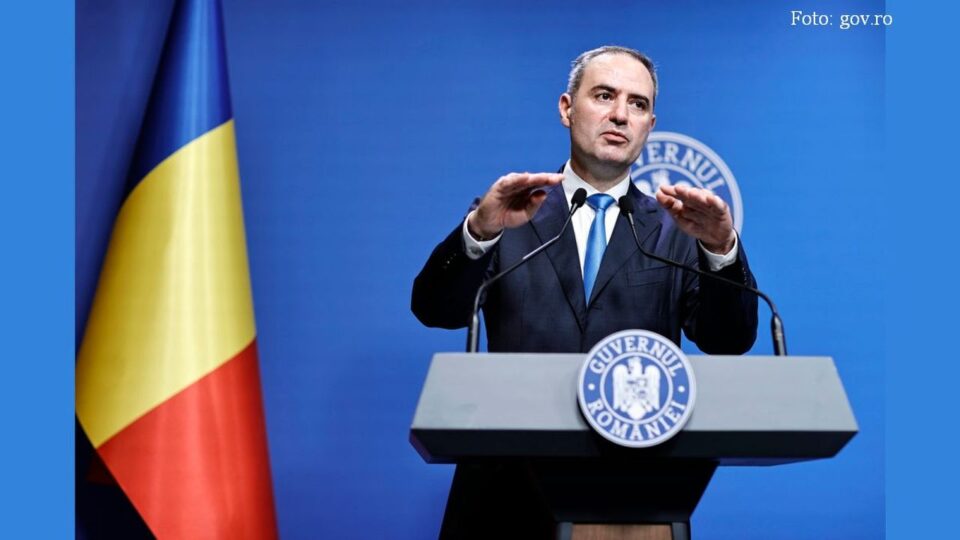
Healthy economic growth must be achieved through productivity, says the Minister of Finance in Bucharest, Alexandru Nazare. The old model based mainly on fiscal incentives and high domestic consumption is outdated and must be replaced with a new model, based on competitiveness, says Deputy Prime Minister Oana Gheorghiu. Aware that this paradigm shift comes with transition costs, the current Romanian government claims that the three directions that will create conditions for successful businesses on a national level are the reform of state-owned companies, strengthening financial discipline and supporting strategic sectors. The business environment remains, however, reserved and signals that the expected changes will only come in the long term, while the economy is suffering today.
2026 is not a year of recovery, it is a year of testing, says the Concordia Employers’ Confederation, which represents 20 of the most important sectors of the Romanian economy. Executive Director Paul Aparaschivei says that an environment is needed in which private investments can return, and for this, fiscal predictability and a real decrease in the costs that weigh on companies are needed: ʺThat ’mini-omnibus’, as we call it, with the three measures, plus the economic recovery package, shows first of all an intention to change direction and to turn towards sectors with added value or sectors that are actually critical and which we have the capacity to serve, such as resources, but we have a lot of bureaucracy that makes us uncompetitive. It is also an important signal for any foreign investor who is looking at Romania today. It is a package that, in terms of intention and direction, is correct. What interests us very much is the delivery component, how long it will take until the recovery package is operationalized, how long it will take from that moment until the recovery package produces effects in the economy, and the truth is that the impact of this package is medium to long-term. And then, what we come and say is that, today, the economy is suffering, it needs incentives and policies that support entrepreneurs and are based on more predictability.ʺ
Given that consumption has already slowed down significantly since last year, the question for 2026 is whether private investments will remain timid and to what extent they can be compensated by public investments, according to the first annual macroeconomic report drafted by the Concordia Confederation. Its chief economist, Iulian Lolea, anticipates that, in this entire paradigm, an important say in the evolution of macroeconomic indicators will be both the intensity, but especially the duration of the new conflicts in the Middle East, the pressure being especially on inflation from fuel prices. The longer the conflict lasts, the worse it will be. (EE)