Measures against online harassment
The European Union has launched a new action plan against cyber harassment in order to protect children in the online environment
Roxana Vasile, 11.02.2026, 13:55
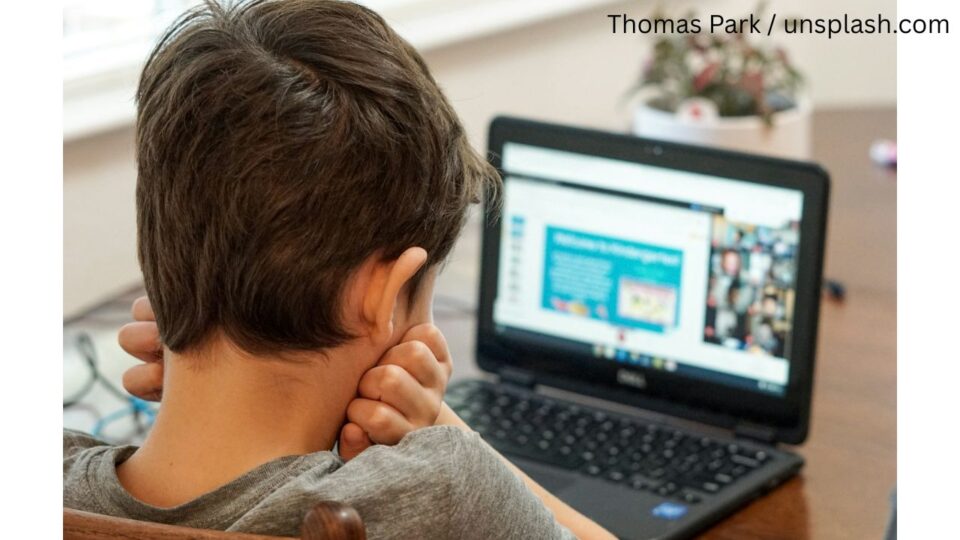
Almost 80% of the Romanian children are surfing the Internet without any restrictions and the lack of parental control is more and more visible as children grow up, says a sociologic survey conducted by ‘Save the Children Romania’. According to the aforementioned organization over one third of the children with ages between 12 and 14 years have accounts on various social networks, which facilitates their frequent contact with unknown people. Almost half of them have been contacted online by strangers while one third has reported situations of harassment or uncomfortable interactions.
Over two thirds of the children have been exposed to traumatizing content and got scared. Most of them, however, chose to ignore the situation, while a small percentage of only 5% had the courage to ask an adult for help. Commercials concerning substances banned to minors (alcohol, nicotine or various types of medicine) reach most of the children and mainly teenagers. Although admitted by few children, their online purchase shows real vulnerability and difficulties in controlling access to these substances. At the same time the so-called dangerous challenges are visible to 60% of the children and part of them are actively involved in such risky activities. The “Save the Children” organization believes that the minors’ online safety must be treated as a top priority of public policy. The aforementioned ONG recommends urgent legislative and administrative measures coherent and structured for the total interdiction without exception of social network access of children under 13 and conditioned access for minor with ages between 13 and 15, only with parental control.
At the same time – the organization also says – social platforms must assume responsibility for the online protection of minors, and real sanctions are needed against those allowing minors to create accounts unchecked.
The online safety of children isn’t only a national issue though. And for this reason the Executive in Brussels has launched an action plan against online harassment or cyberbullying as it is also known. Among the measures proposed by the Commission there is an application at the EU level through which the victims of online harassment can immediately report abuses and get access to specialized assistance. The application enables the safe storage of evidence and will be connected to national assistance lines adjusted to any member state. The plan proposed a coordinated approach at European level so that all the young people benefit the same protection level. Member states will be operating on a common definition of what online harassment is and collect comparable data to better fight the phenomenon. The Commission will be strengthening the legislation against illegal content and fake information but more emphasis will be laid on the responsibility of online platforms. Another major pillar the Commission has mentioned is prevention through digital education, the promotion of a responsible online behavior and the expansion of safe-Internet resources for schools.
(bill)