NATO and the adaptation to the warfare of the future
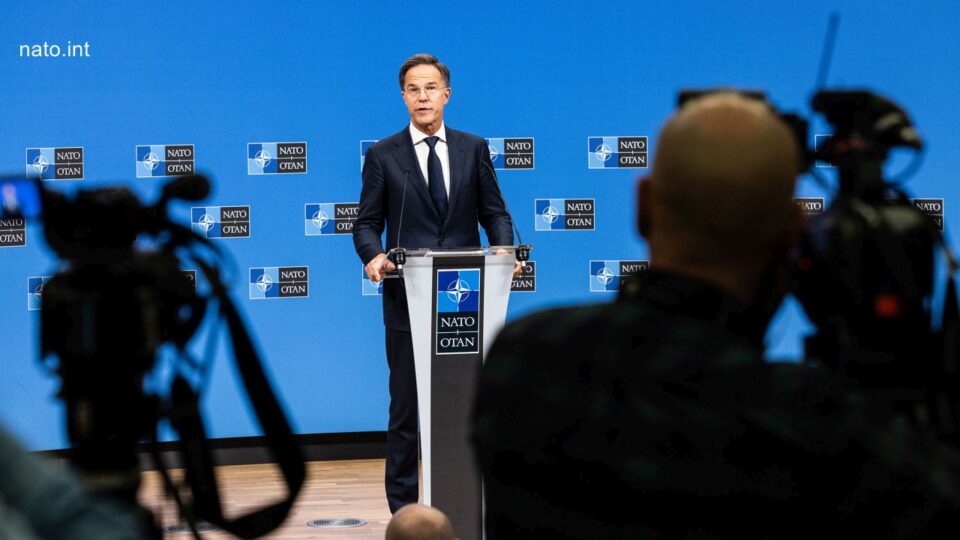
The NATO Secretary General, Mark Rutte, would like all allies to agree to the proposal of supporting Ukraine with a fixed percentage of their national GDP.
Roxana Vasile, 21.05.2026, 13:50
The Swedish city of Helsingborg is hosting, this weekend, the meeting of NATO foreign ministers, the last one before the allied summit in Ankara. In the preamble to the gathering of top diplomats, the Alliance’s Secretary General, Mark Rutte, stated that the North Atlantic Organization must be prepared for the new realities of modern warfare, particularly the threat posed by drones. He referred to Tuesday’s intervention by a Romanian F 16 fighter jet, deployed on a NATO air policing mission in the Baltic region, which shot down a drone that had entered Estonia’s airspace.
It was a Ukrainian drone, but it would not have been there had it not been for Russia’s aggression, Mark Rutte said. The conclusion is that NATO’s air defense systems have once again proven effective, and we will continue to improve our ability to respond to any threat to our territory or our population, Rutte pointed out. He added that this is precisely the type of situation for which the allies train and prepare, emphasizing that NATO is constantly adapting its capabilities to address emerging threats.
According to the Secretary General, the lessons learned from the war in Ukraine, where the use of drones has become a central element of the conflict, are being integrated into the way NATO develops its defense systems. Regarding the broader question of how drones can best be countered, Rutte said this depends on the situation and whether fighter aircraft or other systems are required. In any case, he reiterated that NATO’s priority is strengthening air defense and anti drone capabilities on the eastern flank, as well as improving coordination among member states to respond quickly to such incidents.
Mark Rutte also addressed the proposal that Ukraine be supported with a fixed contribution of 0.25% of each NATO country’s national GDP. According to Radio Romania’s correspondent in Brussels, where the Alliance’s headquarters is located, the topic was made public this month, though it is not the first time this percentage has been suggested. The Baltic states have been advocating for it for more than three years, including within European Union structures. The proposal was not well received by some allies, but Rutte expressed hope that, now that the discussion has been opened, support for Kyiv will become more substantial and that NATO members will share the costs more fairly. (EE)