Report on inflation
In Romania, the fight against inflation is not over. Even though the effects of the rise in VAT have faded, the increase in energy and fuel prices is keeping the inflation rate up.
Corina Cristea, 17.11.2026, 13:50
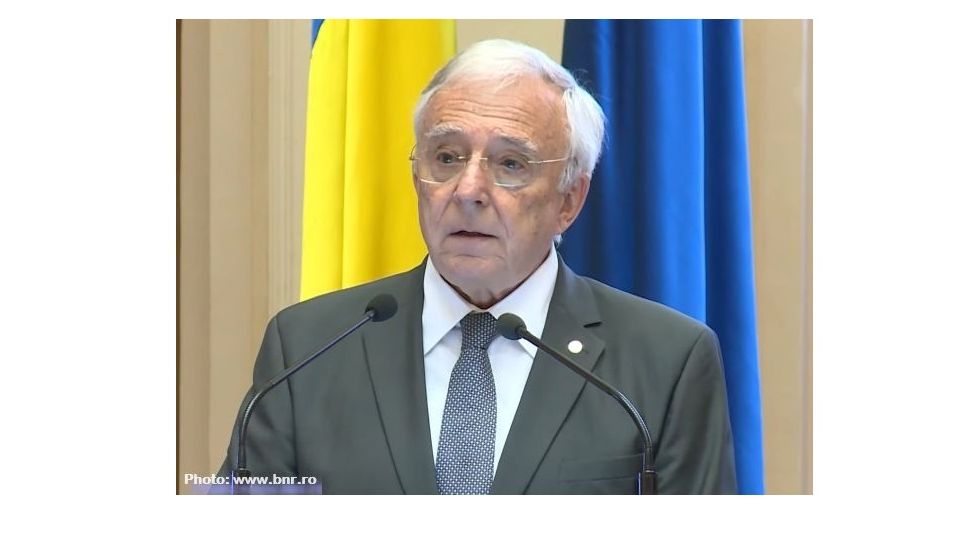
It will be some time before Romanians can expect inflation to return to a level that puts less pressure on their standard of living – is the message conveyed by the quarterly inflation report presented on Monday by the Governor of the National Bank, Mugur Isărescu. The National Bank has significantly revised its forecast for the evolution of prices upwards to an annual inflation rate of 7.4% by the end of this year, compared to 6.1% in its previous report. To blame for this are energy, fuels and the exchange rate of the national currency, the leu. Geopolitical tensions and developments on international markets have driven the price of energy products up, with ripple effects across the economy, from the cost of transport and production to that of the goods and services purchased by the population. The National Bank has warned that the recovery of the Romanian economy will be slow after this period of lower consumption and budget correction and that inflation will continue to go up in the coming period. Despite inflationary pressures, however, Governor Mugur Isărescu says he is not expecting unusual price hikes in the run-up to the winter holidays:
“The annual inflation rate, the Consumer Price Index, will go up slightly by the end of the year. Please note that this is the Consumer Price Index, it’s not about prices skyrocketing, as some might fear. During the holidays prices will probably be relatively stable or see normal increases for this time of the year, just like in previous years. Nothing exaggerated. But we are also not expecting a decrease, mainly, if not solely, due to the evolution of oil and energy prices internationally.”
The National Bank estimates that the inflation rate will later start to drop gradually, but reaching the Bank’s target, namely to bring the inflation rate below 3.5%, is not expected before the first quarter of 2028. Until then, prices remain largely dependent on international energy markets and on how the conflict in the Middle East plays out. On the other hand, weak demand in the economy contributes to tempering inflation. The National Bank has noted a decrease in household consumption in the second quarter amid lower purchasing power and the fact that people and companies borrow less. Wages have recorded a modest dynamic, and the labour market is no longer so tense. These developments have kept in check the pressure on prices, but show how difficult the economic situation is.
The report by the National Bank indicates that investments have partially compensated for lower consumption, with the most significant contribution coming from European funds. The main challenge for the near future is to ensure financing and maintain investor confidence, so that Romania can navigate these difficult times without further imbalances, the National Bank governor pointed out.