The Tirana Declaration
Romania adopts the Tirana Ministerial Declaration on Corridor VIII
Daniela Budu, 24.02.2026, 13:50
Romania, along with Albania, Bulgaria, Italy, and North Macedonia, adopted the Tirana Ministerial Declaration on Corridor VIII, the Ministry of Foreign Affairs announced on Monday. Through this Declaration, the Ministry of Foreign Affairs said in a statement, the five states reiterate the political, economic, and strategic importance of the project, which aims to remedy connectivity deficiencies in Southeast Europe. The declaration also highlights the importance of the Black Sea and the Western Balkans as economic areas with significant potential for further development.
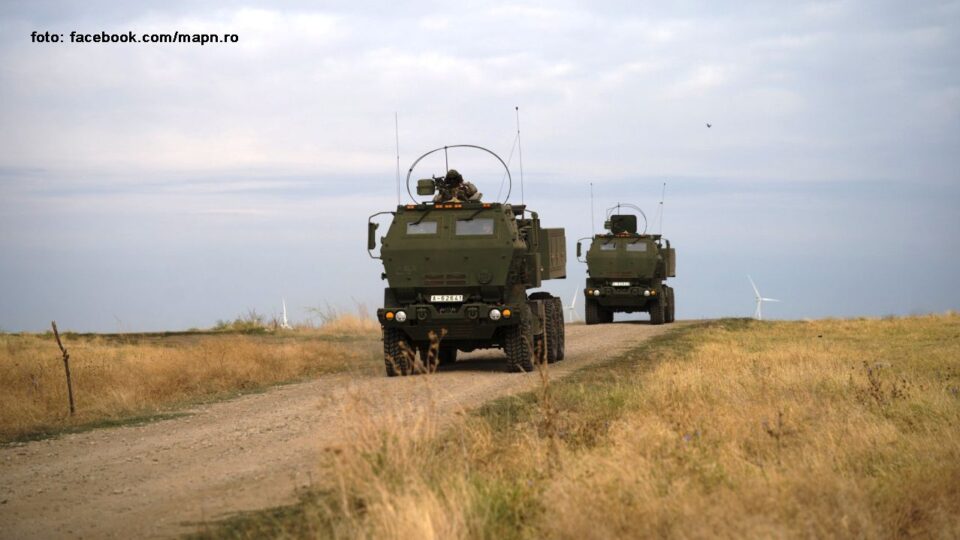
According to the Bucharest ministry, Corridor VIII plays a key role in facilitating trade flows and improving regional and European supply chains. Both the private sector and local communities stand to gain from the development of the Corridor, which increases the resilience of regional economies and generates investment opportunities, the MFA further emphasizes. At the same time, Corridor VIII improves military mobility, contributing to efforts to strengthen the Eastern Flank and NATO-EU cooperation.
The five states have committed, the ministry notes, to leverage the European Union’s dedicated financial instruments to transform this project into a European axis of security and prosperity. “Romania’s participation in this meeting adds to our country’s other sustained efforts to strengthen security on the Eastern Flank and increase national and local prosperity through the development of projects of strategic interest,” the Foreign Ministry in Bucharest added.
We recall that Romania joined the project in 2024, two years after the outbreak of war in neighbouring Ukraine, when military mobility on this corridor became a priority. It officially signed the letter of intent for accession in Brussels, during the meeting of NATO member states’ defence ministers. The project involves connecting the port of Constanța with the ports of Varna and Burgas in Bulgaria through dual-use (civil-military) infrastructure projects, from where it continues on to Italy.
Military mobility corridors aim to create a network of main routes designed to simplify and accelerate the movement of military forces, equipment, and materials, both in peacetime and in crisis or conflict situations. This means that NATO troops landing in Italian ports (Bari/Brindisi) can now cross the Balkans more quickly to reach the Eastern Flank, including bases in Romania. Aimed at improving connectivity, facilitating trade, and ensuring military mobility in the region, this corridor is crucial for regional security and economic development and is officially recognized as a project of strategic importance. (MI)