The “Seasonal Workers” campaign and the situation of Romanian farm workers in Austria
In Austria, Romania ranks among the main countries of origin for immigrants there—second only to Germany and ahead of Bosnia and Herzegovina
Iulia Hau, 13.05.2026, 11:19
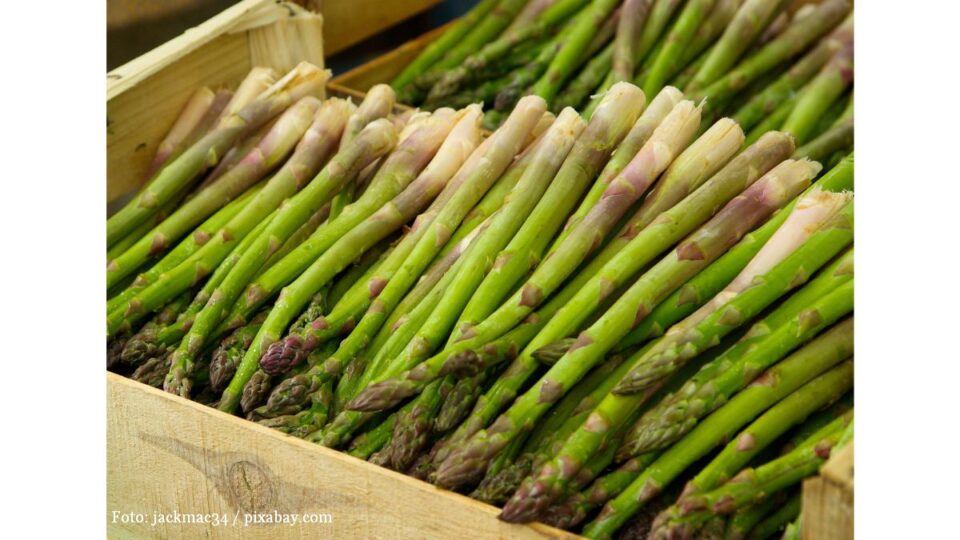
In Austria, Romania ranks among the main countries of origin for immigrants there—second only to Germany and ahead of Bosnia and Herzegovina. For many of these Romanians, seasonal agricultural work remains a crucial source of income, especially during the harvest of asparagus, strawberries, lettuce, cucumbers and apricots.
Ioana Popescu, a PhD student in Austria and a volunteer with the “Seasonal Workers” campaign, has been involved in the initiative for nearly two years. The campaign, launched more than a decade ago, advocates for the legal and labour rights of seasonal workers in Austria. She described for us the difficult conditions faced by many Romanians and the efforts made by the activist group she works with.
According to Ioana Popescu, workers are often paid only 5–6 euros per hour – well below the legal minimum – and frequently work far beyond the legal limits of 12 hours per day and 60 hours per week. The mandatory 30‑minute break is often ignored, Sunday work still occurs, and working on Saturdays has become almost standard practice.
Ioana Popescu: “We have tried several activities over the years. I have been involved in this initiative for almost two years. In general, what we see are the following problems: first of all, people are paid, to give you an approximate figure, around nine euros net per hour in Vienna. This is the minimum that everyone should receive, and depending on negotiations or the employer’s offer, you can earn more. One of the biggest problems is that people are simply not paid what they are entitled to.”
Another major issue she highlighted is thermal stress. Due to global warming and poor work‑day organization, workers are often exposed to extreme heat during peak hours. Many report symptoms such as hypertension and vomiting, and they frequently lack proper protective equipment—whether working in overheated greenhouses or directly under the sun in the fields.
A new trend observed by the campaign is the growing reliance on workers from non‑EU countries. Ioana Popescu explained:
“In the past year, I’ve noticed a trend of hiring people from Asia—for example from Nepal, Vietnam, India—and essentially replacing, in quotation marks, the cheap labor force from Eastern Europe that employers used to rely on with an even cheaper workforce, which is not only inexpensive but also, in some ways, easier to control.”
According to Ioana Popescu, the heightened vulnerability of people from outside the European Union stems from their precarious legal status. EU citizens do not need a visa and can change employers at any time, whereas workers who come on a work visa are entirely dependent on the employer who brought them to Austria. In addition, the doctoral student explains that, to get to Austria, Asian workers pay exorbitant fees, which they must then gradually repay from their wages.
“As a group, we’ve carried out a number of activities. Our goal is to inform as many workers as possible about their rights, and with that in mind, we go out into the field and hand out flyers—we basically go during work hours out in the fields, because we can’t enter the greenhouses, but out in the fields, we literally just show up there and start talking to people and giving them flyers. We also organized a German language course in a specific neighbourhood in Vienna, which is close to the greenhouses where a great many vegetables are grown. It’s called Semmering, and many workers are employed there. We tried, in addition to offering them this opportunity to learn German, to create a community space. That didn’t work out very well, but that was the idea, and that’s what we want to keep doing: more community organizing, more than just providing information, because we realized that it’s hard for people to take direct action based on the information they have.”
Talking about the main challenges faced in organizing the community, Ioana Popescu said that, first and foremost, seasonal workers in Austria were very isolated. Many live on farms, near farms, or near the forest. In addition, some stay for three months, then leave and may never return. In other cases, there are people who, although they have lived there for years, live with the constant belief that this is their last season.
“I mean, you never really realize it, and that was one of the challenges with the German class, because people would say, ‘Why do I need German? I’m not staying here anyway.’ And yet, they’d been there for the past three years. Or they’d been there for five years.”
When asked how she would define a seasonal worker, the doctoral student admited that she did not have a universally applicable answer.
“That’s actually a very good question, because, generally speaking, I too used to think that ‘season’ just meant summer or fall or however long you have to harvest vegetables. And yes, for some people there are different seasons—meaning you have a more productive season or one where you have more work, for example, summer or fall. But some people come and stay almost the whole year. Again, not all workers are like that, and the employer prefers workers to be very mobile, so they can let them go when there isn’t as much work.” (MI)