The Republic of Moldova, ready for accession negotiations
Pro-Western policymakers in Chișinău remain committed to the path of European integration
Bogdan Matei, 20.05.2026, 13:50
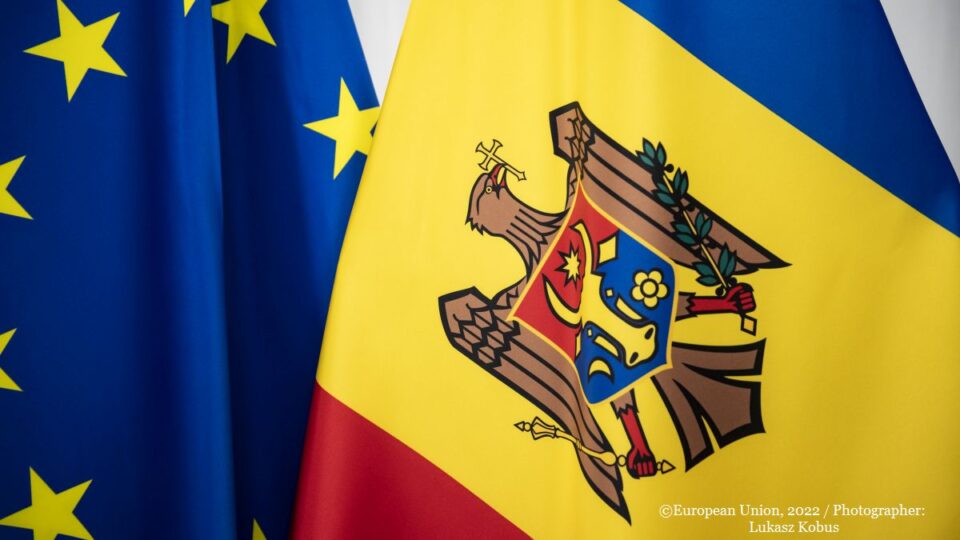
The Republic of Moldova is ready to begin all accession negotiations with the European Union and hopes that the EU institutions and member states will find a way to launch formal talks by the end of June, when the term of the current Cypriot presidency of the Council ends, said the Moldovan President Maia Sandu after her meeting in Strasbourg with the European Parliament President Roberta Metsola. “We are ready to open negotiations on all clusters; we have been prepared for some time. This has been acknowledged by both the Commission and the Council, and the official opening of negotiations on all clusters will allow the Republic of Moldova to move on to the next stages. We still have a lot of work to do, but we want to be allowed to move on to the next step,” President Sandu added, as quoted by the media in Chișinău.
“Our message remains very clear today: the Republic of Moldova’s place is in the European Union, and here you can count on the European Parliament as a strong ally in making this aspiration a reality,” Roberta Metsola said in turn. According to her, the republic on the Union’s eastern border, an enclave between Romania and Ukraine, which has been invaded by Moscow’s troops, is moving resolutely toward accession, despite Russia’s constant interference and attempts to destabilize it. “The European Parliament believes that now is the time to move forward with accession negotiations, because as the Republic of Moldova draws closer, our Union becomes stronger,” the Maltese politician concluded.
She is not the first EU official to assert that the current pro-Western regime in Chișinău, through the reforms it has consistently promoted, is one of the top performers among the group of countries aspiring to EU membership, whether from the former Soviet bloc or the Western Balkans. Technically, however, there remains a tremendous amount of work to be done for the Republic of Moldova—which was under Moscow’s occupation for more than half a century, from 1940 to 1991—to meet European standards. Valeriu Chiveri, the Deputy Prime Minister for Reintegration in the Chisinau government, himself acknowledges that the status of the pro-Moscow separatist region is a difficult equation to solve.
Transnistria effectively slipped out of the central government’s control in 1992, following an armed conflict that claimed hundreds of lives and was resolved when Russian troops intervened on the side of the rebels. The Republic of Moldova does not want a “piecemeal” integration, but neither does it accept that the Transnistrian settlement should become a precondition for accession to the European Union, Chiveri told the press in Brussels. He also noted that resolving the Transnistrian issue depends on numerous factors beyond Chisinau’s control: the political will of the separatists, Moscow’s influence, the illegal Russian military presence in the region, and the course of the war in Ukraine. (MI)