Parliament convened in extraordinary session
Romanian senators and MPs will interrupt their holiday next week for an extraordinary parliamentary session
Corina Cristea, 23.07.2026, 14:00
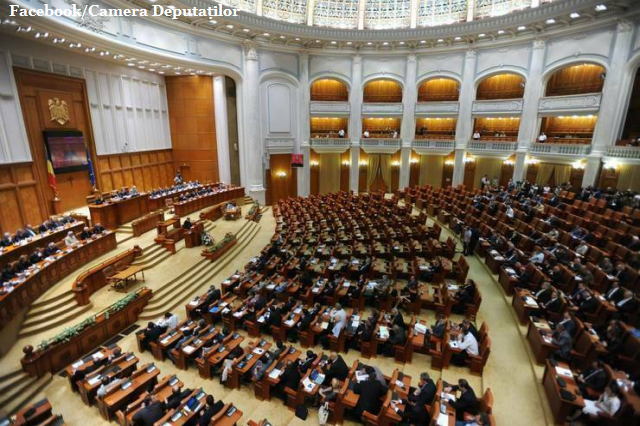
Romanian Senators and MPs have been recalled from their summer recess for an extraordinary session next week. The aim of this move is to pass several pieces of legislation committed to by Bucharest under the National Recovery and Resilience Plan (PNRR), so that Romania can meet the outstanding milestones and avoid losing significant European funds. Six draft laws considered essential for unlocking the PNRR instalments are on the parliamentarians’ agenda; among the most important are the new law on a unified pay scale in the public sector, amendments to integrity legislation, and other administrative and urban planning reforms.
The main obstacle to reaching a consensus among political parties is the Single Pay Scale Bill, which has drawn criticism from the trade unions and has already sparked protests. The PSD, which holds the largest number of parliamentary seats, has announced that it will not vote for the law in its current form and will table a set of amendments to ensure that the incomes of public sector employees are not reduced. Concerns are being raised, in particular regarding the pay of healthcare staff, by the UDMR, which, alongside the PNL and USR, forms part of the interim government.
The Minister of Health, Attila Cseke, says that discussions will continue at a technical level, particularly regarding compliance with the bonus cap, and has confirmed that some of the proposals agreed with the sector’s trade unions have already been included in the document by the Ministry of Labour. Discussions on this draft are continuing despite the fact that the Bucharest Court of Appeal has ruled to suspend the adoption procedures, on the grounds that the caretaker government cannot propose legislation.
On the other hand, the Ministry of Labour has announced that it will appeal against the court’s ruling and has stated that the decision does not affect social dialogue, particularly as the ministry is merely preparing the technical grounds that will form the basis of a parliamentary initiative. Another pending reform is the Urban Planning Code, and in this case the PSD is making its vote conditional on the postponement of the referendum in Bucharest until 2028.
Other bills due to be passed concern the decarbonisation of the heating and cooling sector, while retaining protective measures for vulnerable consumers, as well as the reform of the National Integrity Agency (ANI), which the Social Democrats say they will not vote for. PSD leader Sorin Grindeanu accuses the USR of proposing several amendments that undermine the National Integrity Agency’s work in relation to monitoring the assets of public officials. On the other hand, the USR accuses Sorin Grindeanu of, in fact, seeking to ensure that the PSD retains political control over the ANI, thereby jeopardising a tranche of nearly 800 million euros from the National Recovery and Resilience Plan (PNRR). Romania has until the end of August to adopt the reforms necessary to meet the PNRR milestones, on which substantial European funds depend. (MI)