The energy crisis worsens
Government officials in Bucharest are searching for solutions to the ongoing energy crisis.
Bogdan Matei, 23.09.2026, 13:50
Romania is facing a severe energy crisis, a reality warned of by experts and now acknowledged by the government.
Despite the country’s vast river system, extremely low water levels along the Danube and inland rivers have drastically cut hydroelectric power output. Meanwhile, the Cernavodă nuclear power plant, which normally supplies roughly a fifth of the nation’s electricity, has been under a controlled shutdown for over a month.
Given these conditions, officials say their top priorities are boosting renewable energy and expanding storage capacity, which experts widely agree is currently inadequate.
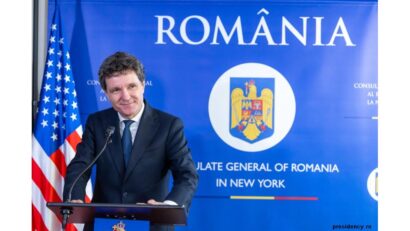
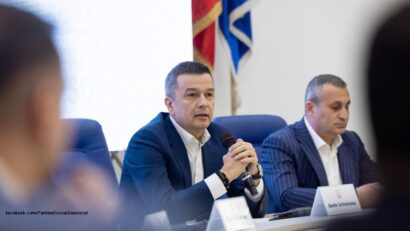
Speaking at an industry event, State Secretary for Energy Cristian Bușoi admitted that current systems fell short during the scorching summer months, forcing the country into expensive electricity imports during peak hours. He pledged government support for renewable projects, focusing heavily on energy storage through faster permitting and state co-financing for prosumers.
Industry specialists also emphasize that legislative updates are urgently needed so energy storage can keep pace with production.
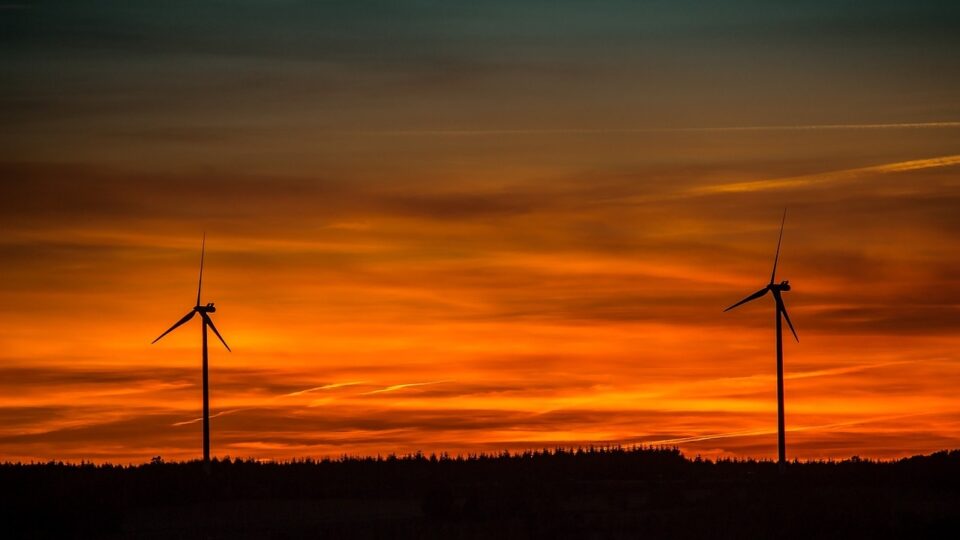
However, Bușoi noted that unless the European Union finds a broader solution to lower electricity costs, prices are unlikely to drop. He credited renewables with helping Romania survive a tough summer, stating that wind energy and a significant boost from solar power were key lifesavers.
According to Eurostat data for the second quarter of this year, nearly 70% of electricity generated in Romania came from renewable sources. That places Romania ninth in the EU, above the block’s average of 54%, in a ranking where renewable shares range from 20% to nearly 98%.
Despite this, energy prices in Romania remain among the highest in the European Union. In 2025, the country ranked fourth for wholesale power purchases and had the most expensive household energy relative to purchasing power.
Romania has failed to bring a single new power plant online over the last 15 years. Now, authorities claim to have an ambitious target: adding 10 gigawatts of solar and wind capacity, along with matching storage infrastructure, by the end of the decade.
Bușoi, a former four-term European Parliament member, added that Romania is actively lobbying the European Commission alongside Central and Eastern European partners to ensure the EU Modernization Fund continues funding key energy transformations into the next decade. (VP)