National Bank inflation forecast
A Central Bank Deputy Governor acknowledges that Romania has the most extensive, unpleasant and painful inflationary record in the entire European Union.
Bogdan Matei, 24.11.2026, 14:00
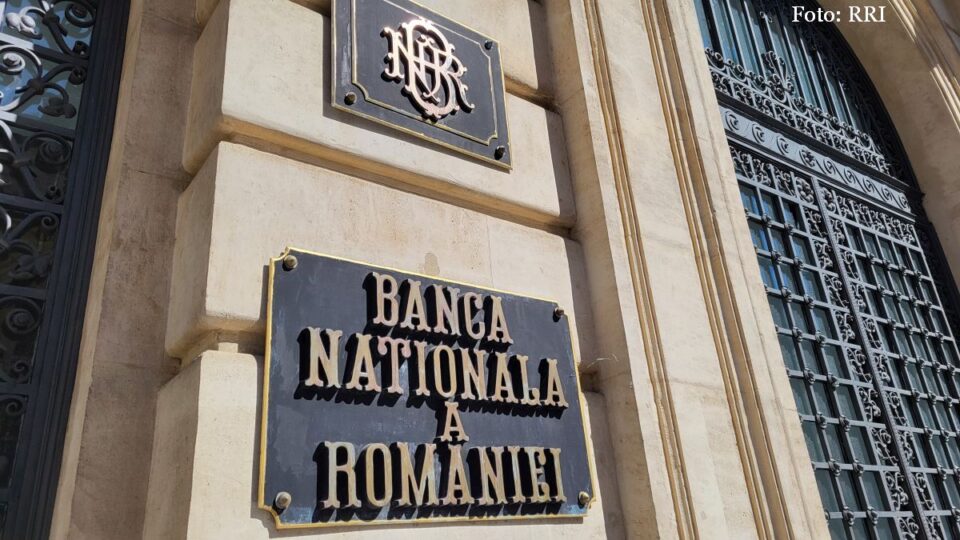
Inflation is expected to reach 7.4% by the end of this year, driven by rising energy prices, while it is forecast to fall to 3.7% by the end of 2027, according to National Bank of Romania (BNR) Deputy Governor Cosmin Marinescu. He said Romania currently faced two overlapping challenges: firmly and sustainably returning to a path of disinflation, while also resuming sustainable economic growth. Monetary policy is more effective when the National Bank inspires confidence in the quality of its decisions and its ability to bring inflation down and ensure price stability, the deputy governor explained. He also highlighted the contribution of fiscal and budgetary policies to keeping inflation high. He acknowledged that Romania has the most extensive, unpleasant and, unfortunately, painful inflationary record in the region and, indeed, in the entire European Union. Fiscal and budgetary indiscipline, reflected in large and recurring public deficits, bears considerable responsibility for the persistence of high inflation, which places a heavy burden on society, Marinescu added.
Romanian economists have already warned that, as prices continue to rise, household purchasing power has continued to decline, with net wages generally failing to keep pace with inflation. Experts from the European Commission, quoted by Radio Romania’s correspondent in Brussels, also say that household consumption is the main factor weighing on the Romanian economy. It has fallen by more than 2% following the freeze on public-sector wages and pensions.
According to data from the National Institute of Statistics, the steepest annual price increases continue to be recorded in services, where inflation exceeds 11%. Rents are almost 38.5% higher than a year ago, while water supply, sewerage and waste collection services have become almost 14% more expensive. Among non-food goods, the main pressure comes from fuel prices. Diesel is more than 43% more expensive, while petrol prices have risen by almost 33%.
Financial analyst Dragoș Cabat told Radio Romania that energy prices, in particular, remain highly volatile. He also pointed to political uncertainty within the European Union and worldwide. The analyst stressed that any potential easing of monetary policy in the second half of next year would also depend on reducing the budget deficit and improving Romania’s credit rating outlook, as assessed by international credit rating agencies. Meanwhile, Finance Minister Alexandru Nazare says that inflation in Romania remains volatile and is directly affected by energy prices, amid the repercussions of the war in the Middle East. (EE)