Public monuments are meant to pay homage to special people and historical moments in the life of a nation.

Just a few kilometers from Timișoara, in the town of Cornești, there are traces of one of the most spectacular ancient fortifications in Europe
Ion Monoran was one of the heroes of the December 1989 Revolution in Timisoara
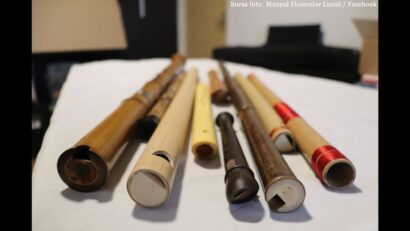
The Museum of Flutes from around World is a cultural project initiated by the ISVOR Cultural Association, dedicated to the preservation and promotion of the flute, one of humanity's oldest musical instruments
"Journey through the Bucharest of yesterday" is the title of an album signed by historian Cezar-Petre Buiumaci, based on the author's personal collection of postcards
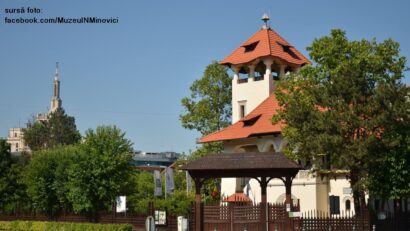
The building that houses the “Prof. Nicolae Minovici, Ph.D.” Folk Art Museum is one of the most iconic Neo-Romanian monuments in Bucharest
The earthly remains of the great prince have been brought home
The ASTRA Museum has revitalized the medieval guild house in the historic center of Sibiu, transforming it into a training, certification and cultural center.
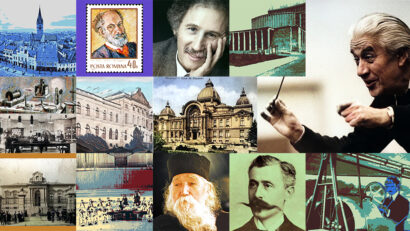
The conductor Sergiu Celibidache was one of the major personalities of European and international classical music in the second half of the 20th century
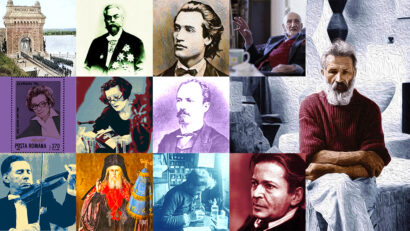
Some people leave behind powerful memories due to their striking personalities. One such personality was the historian Nicolae Iorga.

Queen Marie of Romania was born on October 29, 1875 in Kent, England.
In the Romanian culture, the name of Lucian Blaga is associated with excellence.
Callatis is an ancient Greek fortress, which later became a Roman city
The Roman Limes was a vast system of military roads and defence forts that made up the borders of the Roman Empire.
One of the languages specific to both South-Eastern Europe and the Middle East, which contributed to the creation of a common multicultural space, was the Ladino language, a language spoken by the Sephardic Jews.