A retrospective of last year’s tourist destinations
It is the beginning of a new year, the perfect moment to look back and remember the most beautiful journeys of 2025.
Daniel Onea, 08.01.2026, 14:00
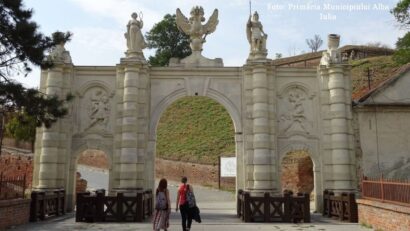
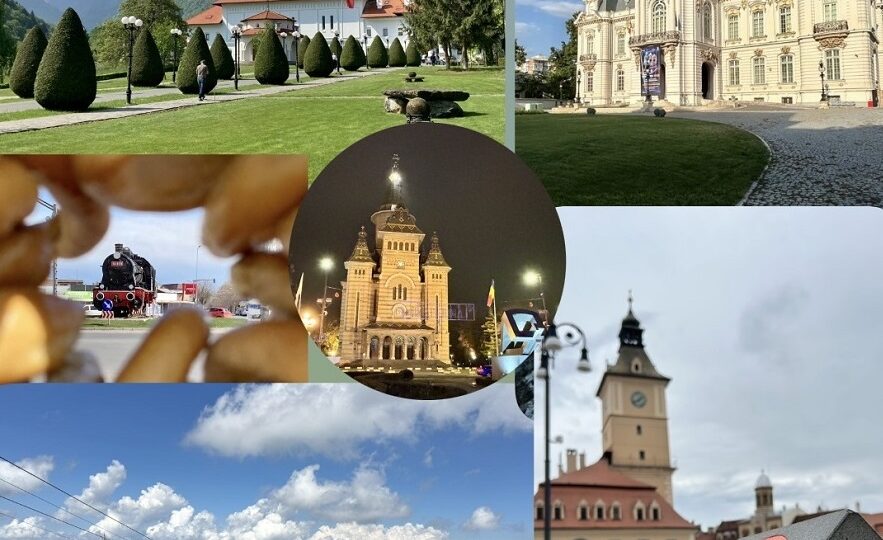
It is the beginning of a new year, the perfect moment to look back and remember the most beautiful journeys on which we went together last year. 2025 was rich in discoveries, the year in which we crossed Romania from one end to the other, exploring famous destinations, but also lesser-known attractions. We talked about innovative projects, but also about crafts and traditions. Today, at “Traveler’s Guide”, we bring you a special edition, a retrospective of the tourist destinations of 2025.
We started the year under the sign of winter and authentic traditions, stopping in January in the Buzău Land. Located at the intersection of the historical provinces of Wallachia, Moldavia and Transylvania, this area fascinated us with its wild landscapes. We talked about the Mud Volcanoes, the cave settlements in the Buzău Mountains and the hospitality of the local people, which transforms any visit into a memorable culinary and cultural experience. And we didn’t leave the mountain area without crossing the threshold of Dornelor Land, a fairytale destination, especially in the white season. Here, active tourism combines perfectly with relaxation. We learned about the ski slopes in Vatra Dornei, about hiking in the Călimani National Park and about the shepherds’ traditions.
In the first part of the year, we also visited one of Romania’s most vibrant cities, Timișoara. After the success of the year in which it held the title of European Capital of Culture, the city on the Bega River continued to attract tourists with its Secession architecture, its large squares and its vibrant cultural life. We discovered a cosmopolitan, open city that capitalizes on its diverse historical heritage and offers a modern tourist infrastructure, being a western gateway to Romania.
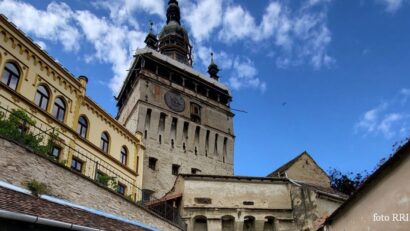
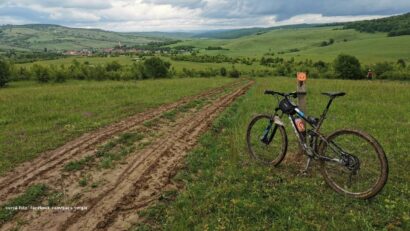
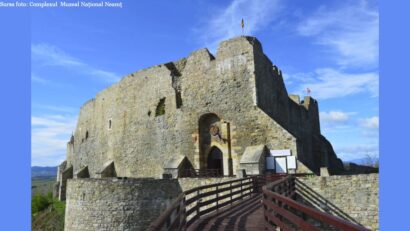
In the spring we headed to another area of particular beauty – Pădurea Craiului. This ecotourism destination in Bihor County is a paradise for speleology and adventure lovers. We talked about the impressive network of caves, such as the Meziad Cave or the Crystal Cave in Mina Farcu, but also about the cycling routes. Then, an important point on the tourist map of 2025 was the Făgăraș Land, an area where nature and history coexist harmoniously. Dominated by the highest mountains in Romania, the region impressed us with the Făgăraș Fortress, one of the best-preserved medieval fortifications in Europe and an exceptional museum. Another interesting destination was the Transylvanian Hills. We discovered Saxon villages with fortified churches, mosaic rural landscapes and remarkable biodiversity. We could not miss Sighișoara, the only inhabited medieval fortress in southeastern Europe, included on the UNESCO heritage list. We rediscovered the charm of the cobbled streets, the Clock Tower and the fairy-tale atmosphere that envelops the city. Sighișoara remains an architectural gem, a place where history breathes at every step. In 2025, the city consolidated its status as a top cultural destination, hosting events that attract visitors from all corners of the world, eager to feel the pulse of medieval life.
An absolute novelty of 2025 was the “Banat Honey Route”, an innovative health tourism and ecotourism project. We learned how beekeeping combines with tourism, offering visitors not only delicious products, but also alternative therapies, such as beehive aerosols. This route takes us through authentic Banat villages, where we can discover beekeeping traditions and enjoy the benefits of beehive products, all in a relaxing natural setting. However, we did not miss the Prahova wine area either. Located a short distance from Bucharest, this area, famous for the Dealu Mare vineyards, showed us that wine tourism in Romania is at international standards. We visited wineries with history, tasted award-winning wines and learned the story of the manor houses among the vineyards.
Towards the end of the year, we explored the Museums of Eastern Transylvania, an initiative that highlights the cultural diversity of Brașov, Covasna and Harghita counties. From history and ethnography museums, to unique collections, such as the Straw Hats Museum, we saw how museums become living, interactive spaces. This regional project showed us that cultural tourism can be extremely varied and that each objective, no matter how small, has a fascinating story to tell about the community that created it. And about legends and stories, there is also the program “Attractive Romania”. We dedicated an edition of Traveler’s Guide to this complex multimedia platform, which promotes cultural tourism through 12 theme routes.
Last but not least, we ended our travels with a Winter Holiday in Craiova. The former capital of Oltenia, also nicknamed the “capital of the south”, impressed us with its spectacular transformation. We admired the eclectic architecture, the vast parks and, of course, the Christmas Fair, which has become one of the most beautiful in Europe. Craiova has proven that it can be an excellent city-break destination, offering a mix of culture, history and quality entertainment.
This was, in short, the tourist retrospective of 2025 at Radio Romania International. We traveled together over mountains and valleys, through historic towns and traditional villages, discovering a diverse, welcoming and surprising Romania. We hope that our proposals inspired you to visit these places and create unforgettable memories. Stay with us in 2026, for new adventures and fascinating destinations. Happy New Year! (EE)