The National Bank of Romanian maintains reference interest rate
The Central Bank has decided not to modify the reference interest rate.
Leyla Cheamil, 09.10.2026, 14:00
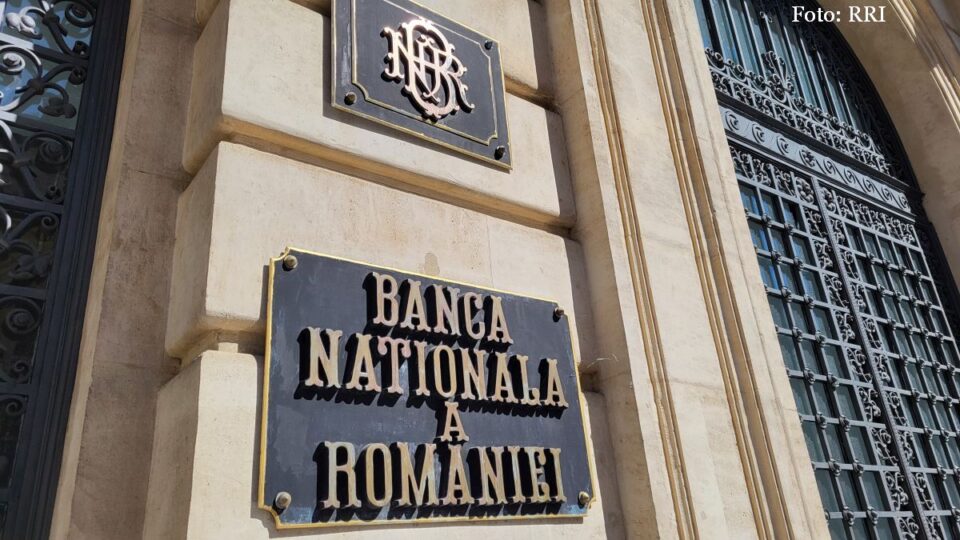
The National Bank of Romania decided on Thursday to keep the current level of the monetary policy interest rate at 6.5%, amid efforts to stabilise prices. The Bank also decided to keep the interest rate for the lending facility at 7.50% per year and the interest rate for the deposit facility at 5.50% per year, as well as to maintain the current levels of the minimum reserve requirements for lei and foreign currency liabilities of lending institutions.
The decisions of the Central Bank aim to ensure sustainable economic growth, with experts saying the country’s macroeconomic stability depends on a balanced mix of policies and structural reforms. At the same time, the use of European funds is essential to stimulate long-term growth and to help the economy better cope with difficult times. According to the National Bank, the absorption of European funds is essential to counterbalance the effects of budget consolidation measures and the geopolitical context. The Bank says it is closely watching domestic and foreign markets and will use all necessary means at its disposal to maintain stable prices in the medium term and ensure financial stability.
The annual inflation rate dropped significantly from 10.42% in June to 6.17% in August. However, the Central Bank emphasises that this decrease is a statistical effect, amid the exhaustion of the direct effects of eliminating the cap on electricity prices and the increase in VAT and excise duties in the same period of the previous year. The National Bank expects the risk of high inflation to remain in place in the coming period. Among the main risk factors are the increase in fuel prices against the background of international oil prices, the pressures exerted by the drought on food prices and the depreciation of Romania’s national currency, the leu.
Internationally, tensions in the Middle East and the energy crisis may further erode people’s purchasing power and harm the activity of businesses. Domestically, political uncertainties and fiscal consolidation measures are important. In the context of a stagnant economy in the second quarter and a decline in consumption, it is unlikely that the monetary policy will relax any time soon. The reduction in inflation will only become visible in the long term, with budgetary adjustments, which means that borrowers will not benefit from a decrease in interest rates soon. According to specialists, a possible reduction of interest rates depends on developments that are not only related to the Central Bank.
The most recent data and analyses show a recovery in economic activity in the third quarter of 2026 compared to the previous quarter, including due to agricultural performance, associated, however, with a deterioration in GDP growth compared to the same period last year.