Talks on fuel prices
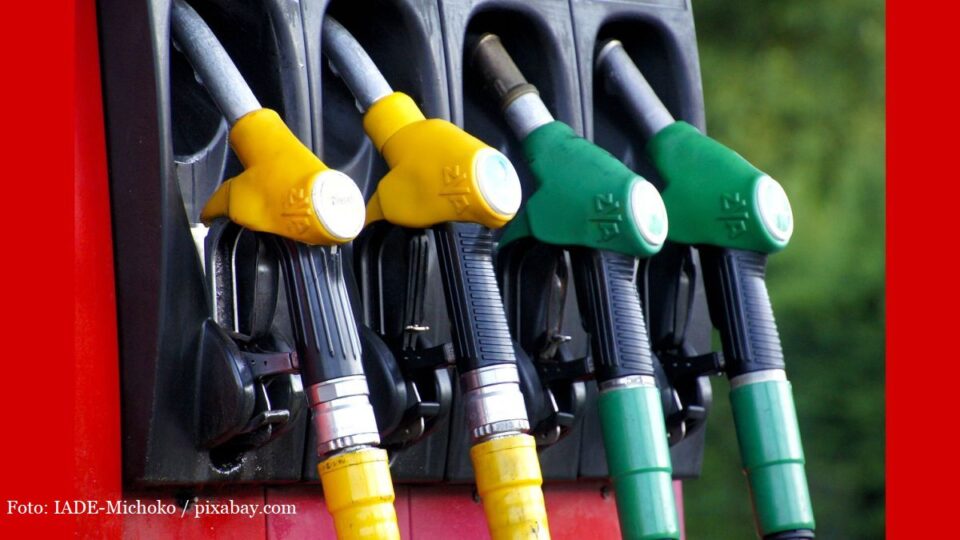
In Romania, the excise duty decrease on standard diesel has come into force.
Mihai Pelin, 07.04.2026, 14:00
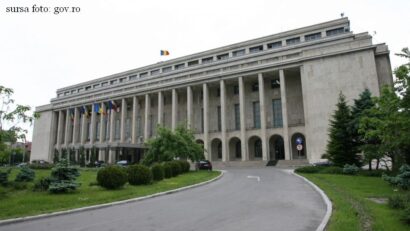
After capping the commercial mark-up on petrol and diesel, the government in Bucharest decided to reduce the excise duty on diesel by 36 bani per liter, this being the most widely used fuel and whose price has increased the most, in the context of the war in Iran. The new prices are in force as of April 7. For petrol, the government has not yet come up with a price reduction plan. According to the Government, the money to cover this decrease comes from three sources, namely, the additional VAT collected during the period of price increases, the state budget and the solidarity fund. 60% of the exceptional profits that companies in the sector have made since prices began to rise, will be paid into it. The situation on the fuel market was discussed on Monday in a meeting convened by President Nicuşor Dan to analyze the situation of crude oil and fuel supply in the context of international developments generated by the closure of the Strait of Hormuz. The meeting was attended by Prime Minister Ilie Bolojan, relevant ministers and officials of oil industry companies.
Romania is not currently facing difficulties regarding the supply of crude oil and fuel, says a press release from the Presidential Administration. According to the cited source, fuel purchases by companies in the field are made at prices aligned with the international market. The press release also reads that the President, the Government and partners from the private sector have agreed on a continuous communication mechanism. This will allow for the close monitoring of the situation and the rapid adoption of appropriate measures, if necessary, in full coordination and with an emphasis on stability and caution.
At the end of last week, the government adopted a package of measures to limit fuel price increases, including a reduction in excise duty on diesel. The measures that came into force are valid until the end of June. In the opinion of Prime Minister Ilie Bolojan, the Government does not benefit from the increase in fuel prices, but, on the contrary, the economy and finances are losing in the context of the crisis. The only thing that the Government can do is temper costs within acceptable limits. The oil price crisis has higher indirect costs for the economy, says Ilie Bolojan, giving as an example the decrease in consumption, the slowdown in economic growth and the impact on state revenues, but also the increase in interest rates. Following the crisis, along with Romania, several European countries have implemented measures to control the increased price of fuel at the pump. These included reducing excise duties, lowering VAT or capping prices in countries such as Hungary, Poland, Italy, Spain, Austria, Portugal, Slovenia, Ireland and Croatia. The fuel market situation is strongly influenced by the international context, and the closure of the Strait of Hormuz, following the war in the Middle East, has generated great concerns regarding the global supply of crude oil. (EE)