European Commission worsens economic forecast for Romania
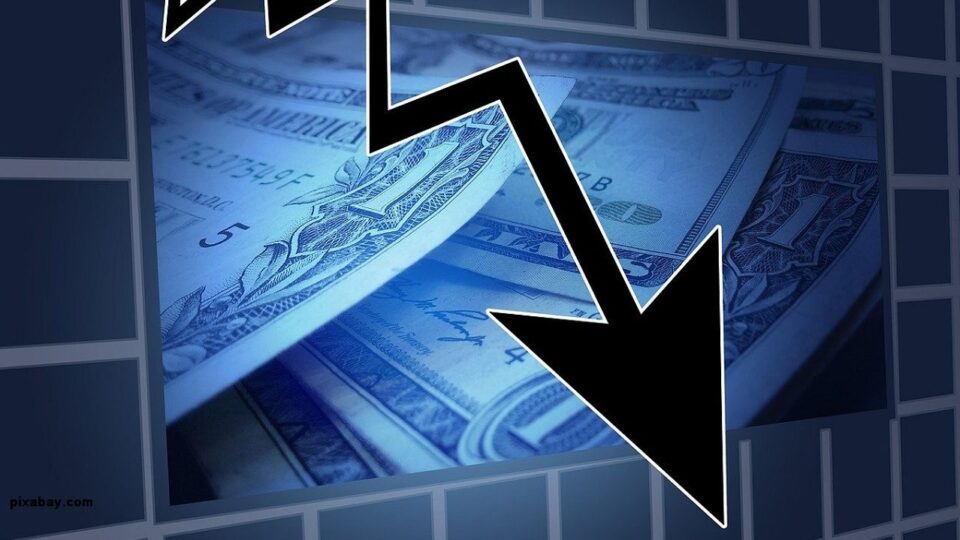
Romania is in moderate recession in 2026, with prospects for economic growth as of 2027.
Roxana Vasile, 18.11.2026, 14:00
The European Commission releases two comprehensive forecasts each year, in the spring and autumn, covering a wide range of economic indicators for all European Union member states, candidate countries, European Free Trade Association (EFTA) nations, and other major advanced and emerging economies.
In this autumn’s forecasts, made public on Tuesday, the outlook for Romania stands in contrast to the European Union average, where the economy is projected to grow by 1.4% in 2026, with Romania instead expected to see a 0.3% decline (a downward revision from the 0.1% growth the Commission had estimated in the spring).
In other words, following slow growth in 2025, Romania is currently experiencing a moderate recession; however, the European Commission expects the country to resume its economic growth next year.
The Commission links this situation primarily to the fiscal consolidation measures, or the austerity measures, as the Romanian public call them, which people are finding increasingly difficult to cope with, but which both the Romanian authorities and Brussels see as necessary to balance the budget.
Indeed, the chief factor dragging the Romanian economy down is household consumption, which has fallen by more than 2%, amid a freeze on public sector wages and pensions, combined with persistently high inflation.
According to the European Commission’s forecast, the inflation rate is expected to reach 7.9% this year, up from the previously projected 7%. In contrast, private consumption in the European Union is expected to grow by 1.3% this year. The Commission also anticipates that Romania will emerge from its mild recession in 2027, with the economy projected to grow by 1.8%.
By 2028, this growth rate could reach 2.2%. The recovery is expected to be driven by a gradual rebound in consumption, private and public investment, and the spending of European funds. Additional funding could come from the extraction of natural gas in the Black Sea thanks to the Neptun Deep project.
In the labour market, the unemployment rate is projected to reach approx. 6.7% in 2026, before gradually declining. In public finances, the budget deficit is estimated at 6% of GDP this year, 5.8% in 2027, and 5.6% in 2028. However, public debt is likely to continue rising, reaching approx. 64% of GDP by 2028.
The European Commission warns that a resurgence of political instability in Bucharest following the extensive instability seen this year could hinder medium-term fiscal consolidation and erode both confidence and private investment. Furthermore, uncertainties surrounding foreign demand, particularly in the automotive sector, along with concerns over high energy prices, remain a challenge for the industry. (AMP)