Locomotives Made in Romania
The railway network had two important functions in Romanias history: it was the driving force behind economic development and ensured the political cohesion of the state formed in 1859. 1868 saw the inauguration of the first railway linking Bucharest to
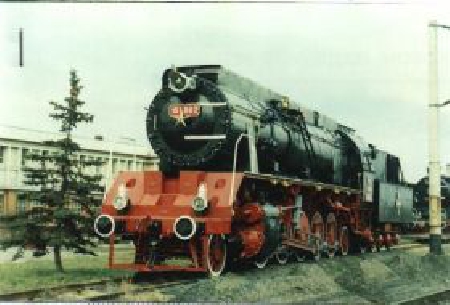
Eugen Cojocariu, 29.04.2012, 17:47
The railway network had two important functions in Romania’s history: it was the driving force behind economic development and ensured the political cohesion of the state formed in 1859. 1868 saw the inauguration of the first railway linking Bucharest to Giurgiu in the south.
The development of the railway network further went hand in hand with that of the machine building industry, the sector that handled the production of railway equipment. Locomotives and railcars have a history similar to that of the railway. Mircea Dorobantu, an expert with the Romanian Railways Museum, gave us an insight into the history of Romanian locomotive production. The museum is part of the training strategy for the future staff of the Romanian railway system:
“At present, the Railway Museum is part of the National Centre for Railway Training and Qualification and its activity is actually a cultural approach of the whole railway activity. The National Training Centre is the only body authorized to train people working for the Romanian railways”.
The history of locomotives starts with the steam engine. Mircea Dorobantu will now talk about this first stage in the history of locomotives and how history was written at the Factory in Resita and the Malaxa Factory in Bucharest after 1918:
“Steam engines started being made on Romania’s territory at the Resita Factory. The first locomotive was a narrow-gauge steam engine made in 1872. Fortunately for us this little engine still exists and it was displayed on a platform in the park of Resita where many other engines made at the town’s factories are exhibited. Steam engines were also made at the Nicolae Malaxa factory in Bucharest. Malaxa built a great number of locomotives and self-propelled railcars. The first railcars were built at the Johann Weitzer Factories in Arad, which later became the Arad Railcar Factory. These self-propelled railcars were taken over by the Malaxa Factory, some of them being functional even today, despite being 80 years old. It is a railway curiosity that such old self-propelled railcars are still in use today. The railcars built at Malaxa were made after Romanian blueprints although certain components of foreign self-propelled railcars were used as sources of inspiration. The component parts, the engine and the whole structure were made entirely at Malaxa. The constructor used a well-known architect of the time, Creanga, who designed the self-propelled railcar after the most modern blueprints of the time and the latest trends in industrial design. This brought the self-propelled railcar a prize at the international technical exhibition in Milan, being one of the stars of the exhibition.”
Although built under license, the Romanian contribution to the production of engines was substantial. The Romanian constructors left their mark on their own models. Mircea Dorobantu:
“The engines and self-propelled railcars built in Resita and Malaxa were similar to those from Germany and Austria. The engines with the series 142,000, the biggest steam engines for passengers which the Romanian railways had, were built under Austrian license. 12 engines were built in Austria while 79 such engines were built in Romania. In 1939 when they left the factory, these engines were the best. The engine could reach 110 kms per hour and could tow heavy fast trains on a trans-Carpathian rail”.
The second stage in the history of locomotives was the Diesel engine that was followed by the electric engine. Here is Mircea Dorobantu again:
“Passing from the steam engine to the Diesel- electric engine was an event that had a strong impact on the lives of railway workers, because very many engine drivers had been trained on steam engines. Drivers and engines had a special relationship, so to say. Engines were dedicated, in the sense that only three teams of engine drivers were working on an engine and they took great care of it, as if it was their home.”
The new generation of electric engines is, for the moment, the last stage in the development of locomotives. In Romania electric engines were assembled at the Electroputere Craiova Factory, which today focuses on producing railway modernisation equipment.