Băile Herculane – nature, history and modern therapies
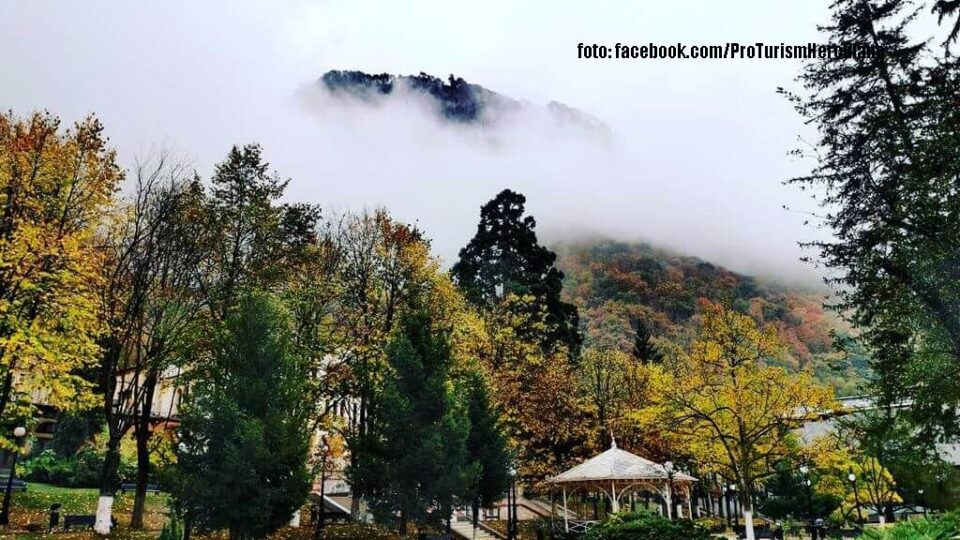
The Băile Herculane (Herculane Spa Resort) resort is a destination with a balneary tradition of over two millennia, where history is intertwined with modern technology and relaxation facilities.
Daniel Onea, 02.04.2026, 14:00
This unique area in Romania offers visitors both modern SPA centers and health treatments. Besides treating well-known rheumatic conditions, the therapies here help improve cardiovascular, respiratory, digestive or dermatological diseases, using specific procedures and mineral waters extracted from the hotel units’ own springs. Also, an extremely valuable healing factor is the resort’s air, which benefits from a strong concentration of negative ions, comparable to the air in the Swiss resort of Davos or Niagara Falls.
To better understand the vacation opportunities offered by this spectacular mountain region, we spoke with Laura Pătru, a PR specialist at the Pro Turism Herculane Association and an active promoter of tourism in the resort: “In 2026, Băile Herculane represents a combination of history, traditions, modern technology, spa relaxation and leisure. All these transform the resort into a complex tourist product, suitable for all ages, ideal for both relaxation and health tourism. Băile Herculane has a tradition of over two thousand years in treating various ailments with the help of thermal waters. We took over this legacy from the ancient Romans, who discovered the first springs, and adapted it to modern standards. The resort has over 16 thermal and thermo-sulfurous springs. Although visitors can find springs here with specific indications, such as the one for the eyes or the one for the stomach, the most popular remain the sulfurous waters. These are successfully used in the treatment of rheumatic, post-traumatic and post-surgery conditions. In the hotel therapy centers, the effects of the thermal waters are complemented by modern physiotherapy and electrotherapy technology, thus guaranteeing the best medical results.”
Besides the recognized healing profile, the resort’s heritage is invaluable. On a short walk through the historic center, visitors can admire the Casino, an architectural jewel built at the request of Emperor Franz Joseph I between 1862 and 1864, the Neptune Baths or the Roman Bath, whose ruins preserve an ancient bas-relief of Hercules. At the same time, the settlement serves as an ideal starting point for more extensive hikes, emphasizes Laura Pătru: “Băile Herculane is an excellent base camp for exploring the area, offering over 20 different options for day trips. Tourists can visit the still-functioning Rudăria watermill complex, where they can observe traditional 200-year-old techniques. They can also discover the isolated village of Ineleț, accessible only by a vertical wooden ladder, a place with spectacular landscapes. Other major attractions include the Iron Gates Museum, the face of Decebalus carved into the rock, or boat rides through the Danube Cauldrons. Due to its proximity, a unique option is even having lunch in Serbia. For ecumenical tourism and hiking enthusiasts, the area offers access to historic monasteries, over 21 approved mountain trails, and over 700 climbing routes.”
A stay at Băile Herculane does not only mean treatment, history and nature, but also a rich cultural experience, supported by the direct involvement of the local community. Thus, the tourist experience is animated throughout the year, as the representative of the Pro Turism Herculane Association shows: “This year’s event calendar is extremely rich. The first major event is scheduled for April, organized by the Domogled-Valea Cernei National Park, and is called “Goști la Divan” – meaning “guests at the evening gathering”, in the local dialect. It is a reunion of producers, artists and artisans from three counties. Also in spring we have the Spring Festival and the “Black Pine of Banat” Festival. Between June 29 and July 4, the Summer Theatre hosts the “Hercules” International Folklore Festival, the oldest of its kind in Romania, now in its 56th edition, with participants from all over the world. Towards the end of the year, the agenda is completed by the Film Festival, the Brandy Festival and sports competitions such as the Hercules Marathon. All these events have free entry and are aimed at all categories of the public.”
All this effervescence has developed in parallel with the revival of the hospitality industry. Recent investments have included the modernization of local SPA hotels, which now bring to tourists “wellness” centers at European standards, directly fed with mineral water rich in calcium, copper or magnesium, ideal for unique dermato-cosmetic treatments: “In the last ten years, Băile Herculane has benefited from major investments in hotel infrastructure. We now have large hotels, equipped with state-of-the-art treatment facilities and their own thermal water sources. These establishments have integrated thermal waters into relaxation and beauty therapies. Using local resources, such as local herbal oils and water extracted directly from their own springs, the hotels offer a unique SPA and health experience that cannot be replicated anywhere else. Like the great European thermal resorts, Băile Herculane is a destination for all four seasons. Whether you choose the cold season to enjoy the indoor SPA facilities overlooking the snowy mountains, or whether you prefer the summer to explore the mountain trails, you will have a wonderful holiday experience. Băile Herculane certainly has something special to offer every guest, regardless of the time of year.”
And since the resort is a perfect destination regardless of the season, an excellent opportunity to discover it is, for example, during the Easter holiday. Local operators have already prepared dedicated packages, combining relaxation with tradition. For example, a stay at a three-star complex in the resort, valid for the period 10-13 April 2026, costs 1,950 lei (approximately 392 euros) for two adults. The package covers three nights of accommodation in a double room, half board and a traditional festive Easter meal. Besides the gastronomic side, tourists have free access to the indoor SPA area, and also to outdoor facilities, such as the sauna and the outdoor hot tub. (LS)