The Rodna Mountains National Park
Located in northern Romania, on the border between the counties of Maramureș and Bistrița-Năsăud, Rodna Mountains National Park is the country’s second biggest national park.
Daniel Onea, 16.04.2026, 14:00
Today, we’ll discover the tourist attractions of the Rodna Mountains National Park. Located in northern Romania, on the border between the counties of Maramureș and Bistrița-Năsăud, this is the country’s second biggest national park. Its importance was recognized in 1979, when part of the park became a Biosphere Reserve under the aegis of UNESCO. For lovers of sustainable adventure, ecotourism and equestrian tourism are ideal ways of exploring the region. Around the time of the Easter holidays, tourists often look for destinations that where they can find peace and quiet, natural beauty and traditional customs. The Rodna Mountains National Park, a green bridge between the counties of Bistrița-Năsăud and Maramureș, perfectly meets these needs. Here, the rebirth of nature in spring coincides with the preparations for Easter, providing visitors with an unforgettable experience.
In the Rodna Mountains the emphasis is on the cohabitation between man and the environment, says Mihaela Poll, director of the Rodna Mountains National Park Administration:
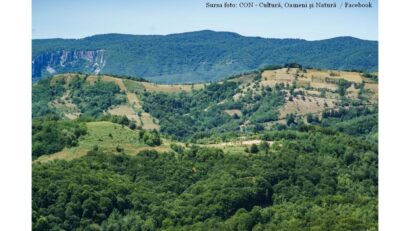
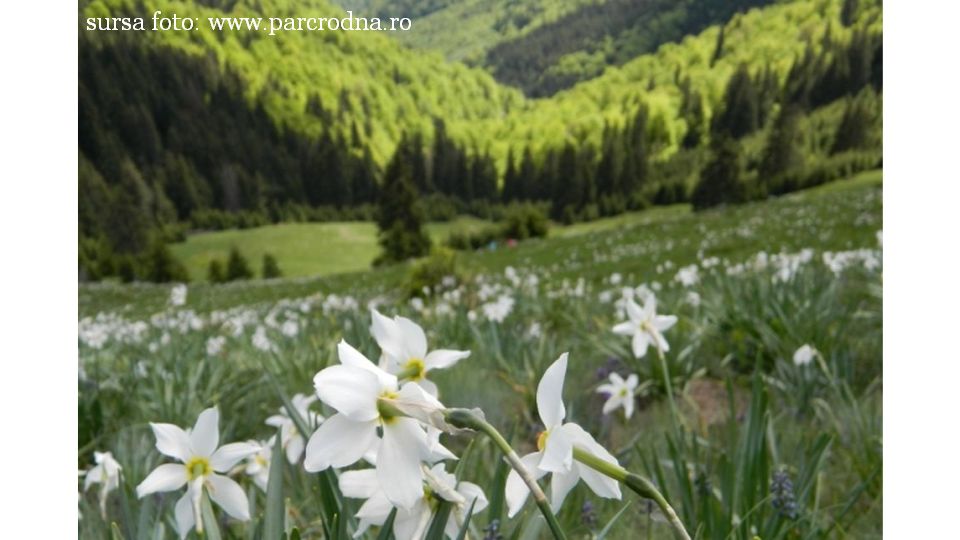
“There are many things visitors can do in the area. Although it is the second biggest national park in the country, the community comes first. Currently, there are over 110 active sheepfolds and transhumance has been preserved for over 100 years, with people taking their sheep up the mountain every year. From the perspective of natural beauty, the area is very rich in wild life, both flora and fauna. Here you can find everything from the smallest insects to bears, wolves and lynxes. Entire families of groundhogs live up on the crest of the Rodna Mountains that can be spotted all year long. Also, in spring and summer, over 250 black goats can be observed. The flora includes daffodils, in the Daffodil Glade, rhododendrons and endemic plants, unique in the world, which are found only here, the most famous being the Rodna Mountains Snowdrop (Silene nivalis). In the valleys, the landscape is made up of deciduous and coniferous forests.”
So, there is remarkable biodiversity, just waiting to be discovered once the snow melts. If you are planning a vacation during the Easter holidays or in the summer months, you should know that the access infrastructure is suitable to all types of tourism. You don’t need to be an experienced climber to enjoy the fresh air and the alpine views. Here are the main entrance gates to the park and the most accessible routes.
“Access to the Rodna Mountains can be done both through Bistrița-Năsăud County and through Maramureș. The easiest access is from National Road 18, from Prislop Pass, from where you can easily reach Lake Știol. From there, you can climb to the top of the mountain, to the Gărgălău Peak, which is one of the easiest routes. The famous Horse Waterfall can be easily reached from the Borșa resort, using the chairlift. Also on the border of the park is the Borșa international ski resort, where a gondola takes visitrs to an altitude of 1,200 meters to 1,600 meters, offering a very beautiful view of the extraordinary landscape over the Rodna Mountains National Park, but also over the Maramureș Mountains National Park, with which it borders.”
In addition to the mountain trekking, the Easter period is the ideal time to discover the cultural heritage of the villages at the foot of the mountains. On feast days, villagers dress in folk costumes, and tourists are invited to attend services in the famous wooden churches of Maramures or to admire the parade of traditional costumes from Năsăud. It is a rare fusion between nature conservation and the preservation of national identity, says as Mihaela Poll, director of the Rodna Mountains National Park Administration:
“Beyond the natural beauty and biodiversity conservation, the park administration is also actively involved in the preservation of traditions. In both Bistrița and Maramureș, the traditional costume is a defining element of local identity. An example is the peacock hat from Bistrița-Năsăud, specific to the villages of Salva, Năsăud and Rebrișoara, which have land in the park. In each neighbouring village, you’ll find local artisans at work, crafting folk costumes and peacock hats, or working in wood. In the Maramureș area, artisans who build traditional houses and famous monasteries are well known. The gastronomic offer is also generous. During the summer, visitors can eat at the sheepfold, including licences educational sheepfolds, such as that in Putredu Moară, where camps for children are also held.”
A fascinating aspect of tourism in the Rodna Mountains National Park is the interactive side. You are not just a simple spectator, but you can become part of the place. Crafts are not just displayed in shop windows, but are alive, practiced every day by local people, who are only too glad to share their secrets with visitors:
“Tourists can interact with folk craftsmen, as the latter mostly work from home and are eager to welcome guests. At the same time, the park administration organizes workshops at its headquarters in the town of Rodna. Here, for about three years, employees have set up a small museum, using objects brought from their own households. The collection includes old and new things, from tools to folk costumes and a loom.”
Tourists can access the park’s official website, parcrodna.ro, to check the condition of the trails and access regulations. Whether you come for hiking or to spend the Easter holidays, the Rodna Mountains National Park will welcome you with open gates.