Bistrița-Năsăud County – a gateway to Transylvania
Located in the central-northern part of Romania, Bistrița-Năsăud County is a true gateway to the attractions of Transylvania.
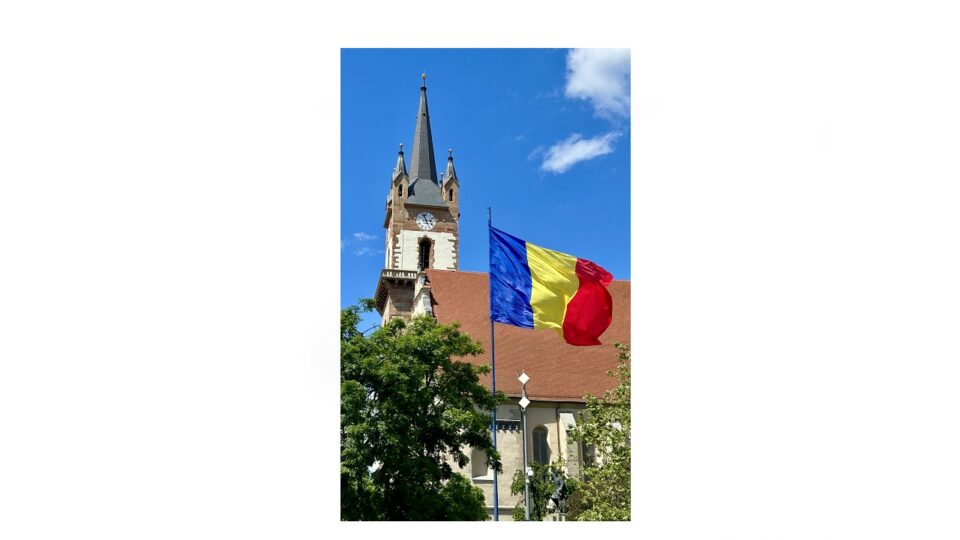
Daniel Onea, 14.05.2026, 14:00
Bistrița-Năsăud County is home to many nature reserves and tourist and spa resorts. The ideal starting point for exploring the region is the city of Bistrița, the county’s capital. For visitors who want to discover the area, the city’s strategic location is a major advantage, as explained by Răzvan Cerceja, executive director of the Tourism in Bistrița-Năsăud Intercommunity Development Association:
“The city of Bistrița is located right in the center of the county, giving us the opportunity to choose any direction: east, west, north or south. This time, I would suggest heading in two directions. Assuming that we have arrived in Bistrița, we must mention the historical potential and the very interesting history of this city. It is part of the seven fortified fortresses of Transylvania, known as Siebenbürgen. The city has a very Saxon and Germanic past. The architecture inherited from the Saxon culture is extremely attractive. There are places where entire stories of the Saxons in Transylvania have been preserved, from buildings to fortified structures, houses and churches. We therefore have a rich offer for cultural tourism.”
Cultural tourism is also supported by the unique urban architecture of the city. The historical pedestrian routes have recently been revitalized. Răzvan Cerceja explains how these spaces were integrated into a large-scale event:
“Bistrița is known as the City of Passageways. We have a large number of pedestrian passages, rehabilitated in recent years, which offer an absolutely original experience for any tourist. These passageways connect almost all the tourist sites, forming a very pleasant cultural-historical route. Each passageway has a story and a role, and to capitalize on this, we created an event called The Story of Wine on the passageways of Bistrița. Basically, we brought the product specific to the surrounding area to the city: wine. The event takes place on the last weekend of August and lasts three days. During this period, the passageways come to life, bringing together the best producers, service providers and promoters of sustainable tourism in the area.”
Beyond the borders of Bistrița, the region offers diverse experiences, combining winemaking tradition with architectural landmarks and hiking routes:
“We are heading south of the county, towards a new destination: the winemaking area of Bistrița-Năsăud county. This has a very well-known past thanks to the Lechința Vineyard. It is a relatively new tourist product that has entered the market. By converting the old vineyards of the Lechința Vineyard, entrepreneurs have begun to present the story of Transylvanian viticulture in a modern form. Six new wineries have appeared in Bistrița-Năsăud county, plus two more that belong to the Lechința Vineyard, but are located in Mureș county. We collaborate very well with all these wineries. So, we proposed a cultural-winemaking route. It is called The Story of Wine from the Lechința Vineyard. Here, in addition to the viticulture part and the stories of old vineyards or the traces left by the Saxons, we also propose new destinations. An example is the Teleki Castle in Posmuș. It is a newly rehabilitated castle, which offers an extraordinary historical transposition and takes you to another story. At the same time, connections have also emerged between these objectives. Thus, there is the Via Transilvanica project. It has the role of a guide or a path that takes you through several areas with tourist potential, including natural areas.”
In addition to wineries and castles, the southern area satnds out for its ecotourism and agrotourism component. Răzvan Cerceja, executive director of the Tourism in Bistrița-Năsăud Intercommunity Development Association, emphasizes the importance of protected natural areas and local producers:
“In the near future we will have another rehabilitated castle in the Comlod area. Restoration works are already in a quite advanced stage. In addition to the castles, the route also includes protected natural areas, such as the Laleaua Pestriță reservation or Râpa cu Păpuși. There are several such natural sites strategically located on this route. Here we can also add the story of small producers in the lower plain area. They are famous for animal breeding, especially sheep. In recent years, they have greatly refined their products. They offer cheeses, meat dishes and various local specialties, adapting to the demands of today’s tourists.”
Another major direction of tourism development is in the northeast of Bistrița-Năsăud County, a region famous for its literature, but which today offers modern recreational facilities.
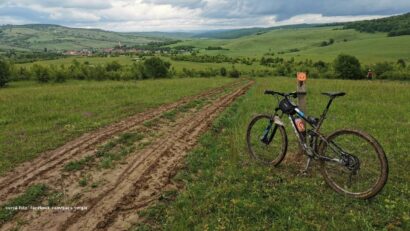
“We have launched a very interesting project called the Cultural-Gastronomic Route of the Bârgău Valley. This famous valley, mentioned in the novel Dracula, is the focus of a new tourist offer. In addition to the well-known attractions, we promote local gastronomy, crafts, but also new infrastructure , such as cycling and hiking trails. Basically, we bring together all these elements in a single platform, intended to provide quality time for tourists who spend a medium or long period in the Bârgău Valley and, implicitly, in Bistrița-Năsăud county.”
Thus, by integrating the Saxon historical heritage, natural landscapes and winemaking and gastronomic traditions adapted to contemporary standards, Bistrița-Năsăud County consolidates its identity on the international tourist map. The newly created routes and promotional events outline a sustainable tourism model, transforming this region of Romania into a complex destination, ready to offer authentic experiences to visitors from all over the world.