Cristian Mungiu calls for action to save Romania’s cinemas
In his first press conference after winning his second Palme d'Or trophy at Cannes Festival, Romanian film director Cristian Mungiu called for action to save Romania's cinema halls and more funding for the film sector.
Corina Sabău, 13.06.2026, 14:00
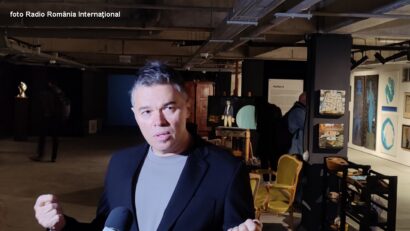
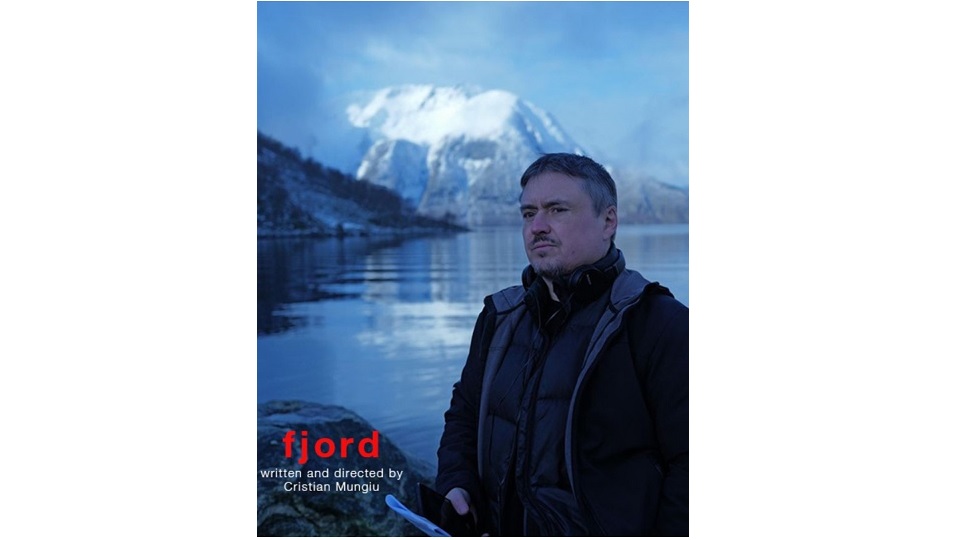
His success at the Cannes Festival has brought Cristian Mungiu back into the international spotlight, after winning his second Palme d’Or with a film he wrote and directed, Fjord. Back in his home country, the director chose to talk less about the awards he won and more about the problems that in his opinion hinder the development of Romanian cinema. He gave a press conference in a place laden with symbolic value for the world of Romanian cinema, namely the Studio cinema hall in central Bucharest. This auditorium, which was once the venue of choice for hosting festivals, film openings and public events, has been closed for many years. Mungiu says that recent years have seen not only the disappearance of buildings, but also an entire culture of going to the cinema. Many cities around the country have no actual cinema hall and entire generations have grown up without constant access to film screenings. The director warned that, without investments, the public is losing touch with the collective experience of cinema.
“It’s necessary now, that we enjoy this brief moment of attention to try to do something. The worst thing that happened after the loss of cinema halls is not that some venues where movies were screened disappeared, but that a consumption habit disappeared. People lost the idea that you can still go out in your city, see a movie alongside other people, socialise and chat afterwards. Of course, online platforms and all the changes in recent years have contributed to this, but it’s important to make an effort to bring these things back, as much as possible and in today’s conditions.”
The problems are not restricted to absence of cinema halls, however. Cristian Mungiu argues that the entire system of film funding needs reform. He spoke about the funding that, according to the law, should go the Cinema Fund and that never reached it. In his opinion, this is one of the fastest measures through which the industry could benefit from additional resources. At the same time, he says that the state must support culture in a more palpable way, by updating the Cinematography Law and adapting it to new forms of media consumption, such as streaming platforms and digital advertising.
Mungiu advocates for clear and predictable rules in granting funding and for a framework that allows for the long-term development of the industry. The director also spoke about the lack of a premiere hall in the capital. Currently, organizing a major premiere involves high costs and improvised solutions.
In his opinion, Romania needs a long-term cultural strategy and predictable rules for financing projects, not exceptional measures taken only when a film achieves international success. After the appeal to the authorities, Cristian Mungiu also spoke about the project that brought him back to the attention of major international festivals.
His new film, “Fjord”, is set to enter a wide international promotion circuit, which will take place in the coming period. Until the official release in Romania, Romanian viewers will have the opportunity of seeing the film in a special screening. Cristian Mungiu says that Fjord starts from a contemporary reality marked by tensions and the lack of dialogue between social groups.
Cristian Mungiu:” I’m not naive and I don’t imagine that, after we screen this film, which is in a way an exhortation to tolerance, people will go out in the streets hugging each other, those from different wings of the political spectrum. No! But it’s a film about fundamentalism in thought. And fundamentalism is neither left nor right. Fundamentalism is a way of thinking where you think you are right and the other person is wrong. I stand against this issue and that is what the film is about. It is an invitation for everyone to do their own analysis and see where they stand. I do not expect that a film can produce, in a statistically significant way, a change in society, obviously not. But, on the other hand, it is very disappointing to see that a film that urges tolerance ends up being met with hate before people have even seen it.”
In the director’s view, the film does not provide definitive answers, but opens an area for reflection on how current society functions. At the end of the conference, Cristian Mungiu’s message was simple: international awards bring visibility, but they cannot replace investments and reforms. And if the success of Romanian films continues to be appreciated in the world, says the director, the time has come for the Romanian cinematographic infrastructure to keep up with the prestige that these films bring to the country.
(CM&bill)