Cluj-Napoca, Romania’s first UNESCO City of Film
Beyond the major international festivals that have already shaped its reputation, the city reveals its identity through thematic urban tours.
Daniel Onea, 21.05.2026, 14:00
Cluj Napoca stands out as a major cultural and tourist hub, becoming the first city in Romania to receive the UNESCO City of Film designation. Beyond the major international festivals that have already shaped its reputation, the city reveals its identity through thematic urban tours. Visitors can explore aristocratic Cluj and its baroque palaces, follow routes documenting the communist era or uncover the secrets of the medieval center. For travelers with more time, the castles and nature reserves surrounding the city offer further opportunities for discovery.
Karin Hann, with the Tourist Information and Promotion Center of Cluj Napoca, evokes the unmistakable atmosphere of the city:
“Located at the heart of Transylvania, in a picturesque region, Cluj Napoca has a special charm shaped by its nearly 2,000 year history, its geographical setting, and its people. Here, time seems to flow differently. Locals have time to greet one another, stroll among the flowering trees of the Botanical Garden, watch the sunlight reflect off the twin buildings on Iuliu Maniu Street (Mirror Street), smile, and invite you to discover local traditions and culture. The city shelters archaeological remains thousands of years old, and its tumultuous yet mysterious past is revealed through artifacts unearthed by specialists as well as legends lost in the mists of time. Its rich tourist, cultural, and historical heritage lives on through monuments, ancient vestiges, medieval and modern churches and cathedrals, and museums that stand today as a true legacy for the future.”
Beyond its historical layers, Cluj Napoca has become a reference point on the contemporary cultural and urban map, attracting art lovers and innovators alike. Karin Hann: “Cluj-Napoca was recognized as a city of excellence in contemporary art more than a decade ago, which helped shape a vibrant community of artists, curators, and collectors, supported by the University of Art and Design. Visitors can explore the city’s contemporary art galleries. It is difficult to mention all of them, but the first ones probably were Fabrica de Pensule and Plan B, the latter connected to its Berlin version, curated by Mihai Pop. A project especially dear to us, and much loved by visitors, is the Someș River promenade, Rethinking Someș, a revitalization of the banks of Someșul Mic. This award winning urban development initiative received the Gold Prize at the Architecture Madrid Award in 2025 and includes pedestrian routes, running and cycling tracks, expanded green areas, sports zones, and playgrounds.”
To help visitors navigate this rich variety of attractions, the local authorities have developed digital tools and well documented thematic routes that guide travelers step by step, an initiative highlighted by Karin Hann:
“There is our website, Visit Cluj, which can be accessed from anywhere in the world, in almost all languages of the world, and where you can find suggestions for itineraries, either the Cluj Gothic route or the religious sites route, anything related to the old city. If you want to check out the outskirts, we are happy to provide information on the religious sites built here hundreds of years ago. The Cluj palaces host prestigious institutions, such as the Art Museum, hosted by the Bánffy Palace. An interesting circuit, but somehow dedicated more to specialists and the curious, is the Cluj statues route.”
The vitality of the city stays high throughout the year, thanks to an impressive calendar of events. Here is what the destination has to offer in the coming months:
“We invite you to come to the Cluj Days, which take place between May 21 and 24. Once again, under the motto ‘Cluj Days create connections’, we are waiting for you in a city full of smiles, emotions and contagious optimism, offering 100 events in 40 different venues over 4 days, with tens of thousands of hearts vibrating in unison. Next comes TIFF, the Transylvania International Film Festival, between June 12 and 21. This year’s Sports Festival is dedicated to the great champion Nadia Comăneci and we are waiting for her in Cluj between June 11 and 14. The Jazz in the Park summer edition takes place between June 5 and 7, and the autumn edition comes with many surprises. We have an inclusive social-cultural festival, focusing on people with various disabilities, on June 6 and 7. Of course, Untold Festival takes place between August 6th and 9th, and then fall and winter events follow, culminating in the Christmas Fair.”
Finally, for tourists who want to discover the county as well, the region around Cluj-Napoca offers fascinating options. Here are some perfect day trip destinations, recommended by Karin Hann, from the Tourist Information and Promotion Centre:
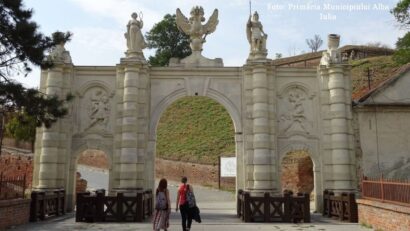
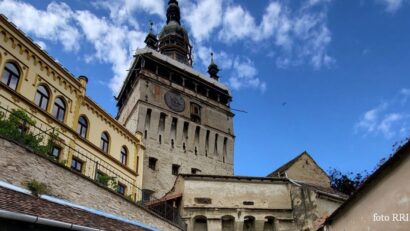
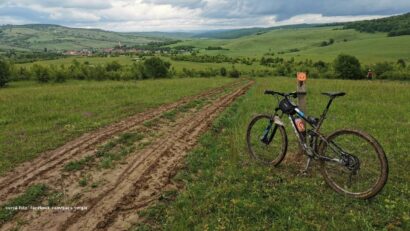
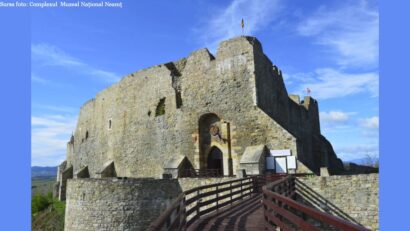
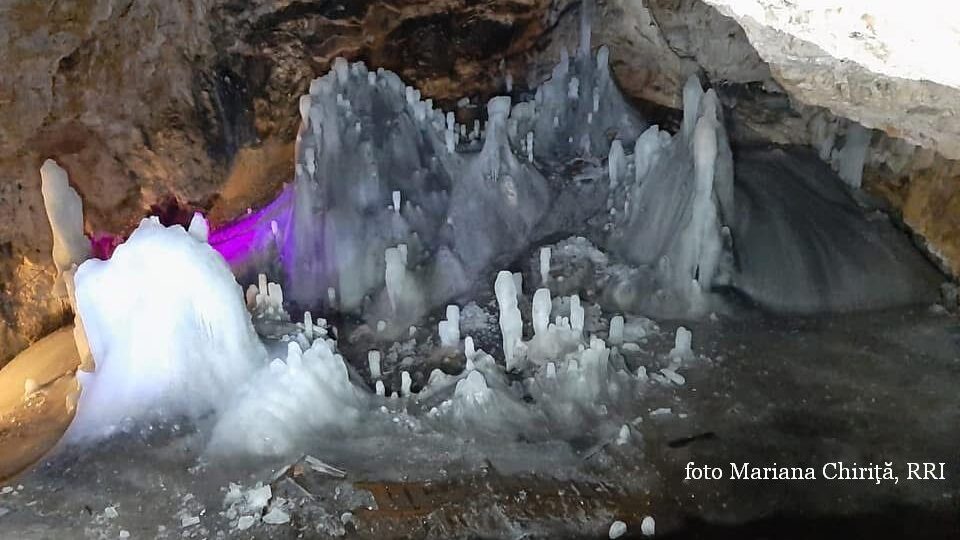
“We start with the Turda Salt Mine and a visit to the La Salina Winery, we continue with the Bánffy castles in Bonțida and Răscruci. The Bánffy castle in Răscruci won the Europa Nostra Award, which is a kind of the Oscar in architecture and restoration. You can visit the traditional villages of Sâncraiu, Rimetea and Sic, the medieval fortress of Aiud, the Râmeț monastery, the city of Blaj, the Alba Carolina fortress, the Scarișoara glacier, the Răchițele waterfall and the Padiș karst plateau. Then we have the Ponor fortresses, the Roman fort of Porolissum, the Dragon Garden, the wooden churches on the UNESCO heritage list and, the Sighișoara fortress and the fortified Saxon churches, which are also UNESCO heritage sites. Sorts and adventure fans can visit the Apuseni, Rodna and Călimani National Parks.”
So, whether you are looking for a vibrant university city or for the tranquility of exceptional natural landscapes, Cluj-Napoca and its surroundings remain an essential destination for any travel enthusiast. (EE, AMP)