Along the wine route and the path of tradition
From traditional wineries in Moldavia and Wallachia to vineyards in Transylvania and Oltenia, wine tourism offers a complete experience throughout the year. It combines tastings of internationally recognised local wines, traditional cuisine and a first-hand insight into the production process.
Daniel Onea, 26.11.2026, 14:00
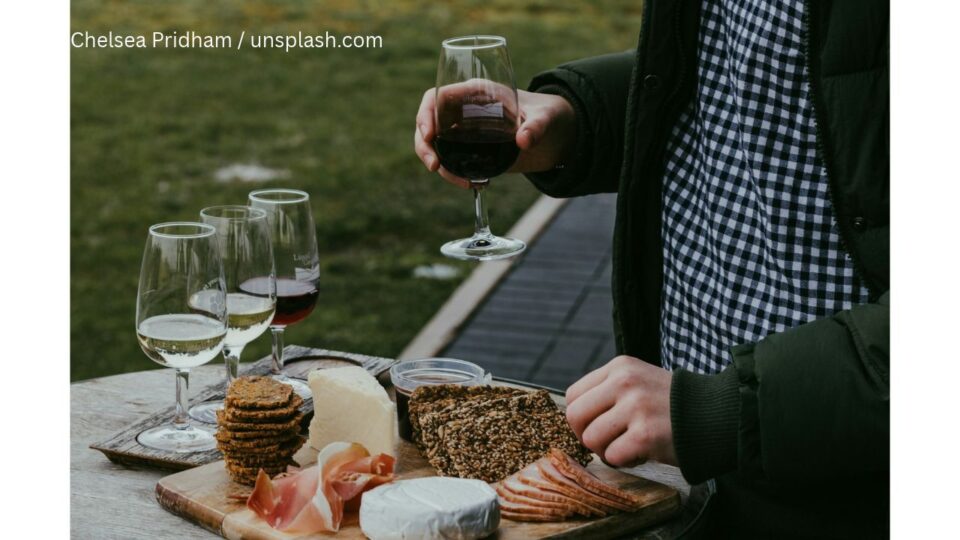
Today, we explore the potential of Romania’s wine regions and the unique experience of visiting wineries with Alexandra Maria Gălbează, sommelier and founder of the Romanian Wine Tourism Association. Alexandra explains the principles behind this type of travel and why the experience cannot be separated from the art of food: “Wine tourism, also known as vineyard tourism, is a form of tourism that involves visiting wineries in organised groups. The visit includes a tour of the winery and an introduction to the history of the place and the story behind the wine, from the grapes in the vineyard to the finished product that visitors eventually get to taste. It is a particularly interesting field because wine tourism is an extension of gastronomic tourism. In practice, we cannot talk about wine tasting without also referring to food. Even a simple tasting at a winery is accompanied by a platter that we call a ‘palate cleanser’, consisting of bread, selected cheeses and similar products. Indeed, the World Tourism Organization itself defines wine tourism as an extension of gastronomic tourism. This is where another story begins: wine and food tourism, which brings local dishes and grape varieties to the forefront.”
Alongside traditional one-day tastings, which are reasonably priced and generally cost between 60 and 130 lei (12 to 26 euros) per person, visitors are now looking for more comprehensive experiences that include additional activities. Relaxation and nature come together perfectly in the emerging concept of wine tourism wellness. In wine-producing regions in south-eastern and eastern Romania, visitors can stay at estates with four- and five-star resorts or at guesthouses rated three or four daisies, offering spa facilities, outdoor swimming pools or hot tubs overlooking the vineyards. A weekend in such accommodation costs, on average, between 350 and 550 lei (70 to 110 euros) per night for a double room.
Once there, tourists can choose from a wide range of activities, as Alexandra Maria Gălbează explains: “We can cycle through the vineyards, play tennis or, if the season and the accommodation facilities allow, relax by the swimming pool or on the beach. Alongside winery visits, we have also adapted the experience by organising a wine and food pairing session directly on the beach – an unusual and surprising event. Its success clearly depends on good communication and on the winery staff’s ability to be flexible and adapt to the group’s needs. Wine tourism can be enjoyed at any time of the year, although during the colder months weather conditions may prevent us from fully enjoying the natural scenery of the vineyards. While it is possible to spend pleasant moments outdoors even in low temperatures, with good company and a good wine, the experience will be considerably shorter, with most of the time spent indoors.”
For those looking for a more hands-on experience, some wineries in the Dealu Mare region organise interactive workshops where guests learn how to create their own wine blend. The experience is often rounded off with rustic meals served among the rows of vines. Further afield, in the heart of Transylvania, wine tourism takes on a historical dimension, with tastings hosted inside restored medieval castles. Whatever the level of complexity of the package chosen, the winery visit remains at the heart of the experience: “Whether it is a few-day trip to Transylvania that includes a stop at a winery, or a small group of friends who prefer to travel independently, it is essential to book by phone in advance. This ensures that a representative will be available to conduct the tour, introduce visitors to the history of the place and oversee the tasting. The visit begins in the vineyard, weather permitting, or directly inside the winery. Guests are then taken along the production line, through the barrel cellar and to the bottling line. The tour culminates in the moment everyone has been waiting for: the tasting. The package usually includes between three and seven wines. The tasting order, decided by the producer or the tour guide, starts with white wines and ends with reds, or may begin with sparkling wines, depending on the package selected. The tasting brings a general sense of relaxation. After the first few glasses, participants become more cheerful and curious. The experience ends with the opportunity to purchase the wines.”
An all-inclusive New Year’s Eve celebration at a four-star wine resort in the south-east of the country, featuring fine dining menus and live music, costs around 750 lei (150 euros) per person. Meanwhile, four- and five-daisy wine tourism accommodation in central Romania, around Sibiu, are offering special Christmas packages with access to hot tubs, campfires and traditional cuisine. For a couple, such a stay requires a budget of between 2,500 and 3,000 lei (500 to 600 euros).
This is a clear indication of the sector’s enormous growth potential, a trend confirmed by Alexandra Maria Gălbează: “The ultimate goal is to provide a complete tourist experience because, ultimately, what really matters is the experience visitors take away with them. Ten years ago, some wineries did not even have a tasting room or staff dedicated to this segment. Today, things have changed remarkably. Even when tourists do not travel to the winery itself, there is strong demand for urban wine tastings featuring exclusively 100% Romanian grape varieties. In these cases, success depends on the organiser’s flexibility. Their task is to bring the winery to the visitor.”
Whether they opt for relaxation by the seaside combined with a summer wine tasting or choose the tranquility of a Transylvanian estate at Christmas, tourists can now discover Romania from a more refined perspective, in every season. (EE)