Făgăraș Country
Located in the heart of Romania, Țara Făgărașului represents one of the most complex intramontane depressions in the Carpathians
Călin Coțoiu and Daniel Onea, 05.02.2026, 19:51
Located in the heart of Romania, Țara Făgărașului represents one of the most complex intramontane depressions in the Carpathians. Historically and ethnographically known for preserving local identity, the region has become a landmark for sustainable and adventure tourism in recent years. The Țara Făgărașului Intercommunal Development Association (IDA) is actively working to promote this land, which combines wild natural heritage with cultural-historical heritage. Florin Ioani, president of the association, describes the privileged geographical location, which transforms the area into a magnet for mountain lovers.
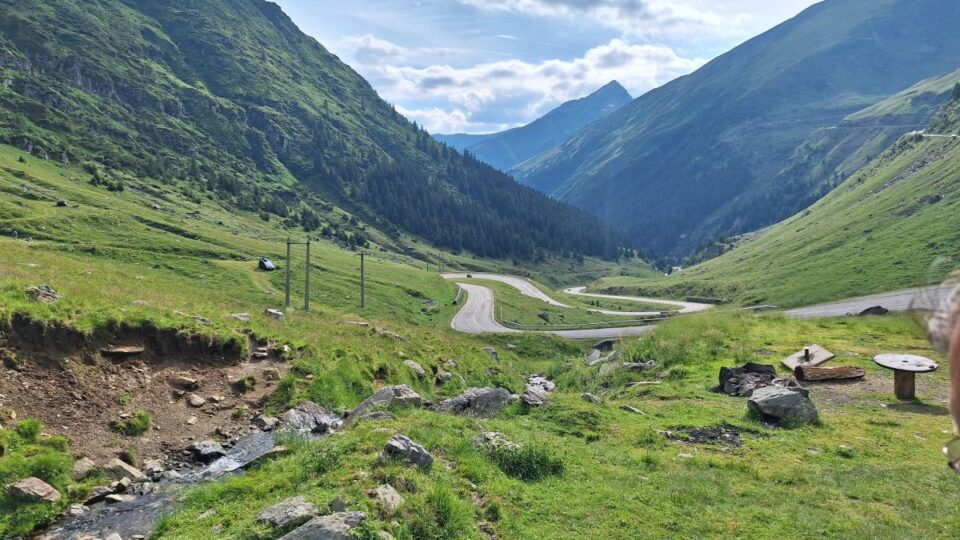
“Our region is located on the northern slope of the Făgăraș Mountains, the administrative boundary being marked by the ridge of the massif, divided between the counties of Brașov and Sibiu. Geographically, the highest peaks of the Romanian Carpathians are found here: Moldoveanu, Negoiu and Viștea Mare. This spectacular mountain area attracts numerous foreign tourists, with hiking on the ridge being extremely popular. The relief gradually descends from the alpine valley and the coniferous forests specific to high altitudes, to the villages located at the foot of the mountain.”
In addition to its natural potential, the area has benefited from investments in tourist infrastructure, with the pole of attraction also shifting towards cultural or equestrian experiences. The President of IDA Țara Făgărașului, Florin Ioani, emphasizes the importance of the localities of Sâmbăta de Sus and Sâmbăta de Jos.
“The Sâmbăta de Sus locality is among the most developed in terms of tourist infrastructure. The area concentrates several objectives of national importance: the Sâmbăta Monastery – a true spiritual brand –, the Brâncoveanu Castle, as well as numerous mountain trails. Nearby, in Sâmbăta de Jos, is the famous Lipițani Horse Stud. It is the largest stud in the world in terms of genetic diversity, raising seven of the eight bloodlines of the breed. Another magnet for visitors is the Transfăgărășan. The road, famous for its breathtaking landscapes, offers the necessary infrastructure to cross the mountain and is a priority objective for anyone arriving in the area.”
The diversity of the tourist offer in Țara Făgărașului is supported by the multiculturalism specific to Transylvania. The combination of Saxon and Romanian elements, but also the development of active tourism through cycle tourism, completes the landscape. Florin Ioani details the wealth of built heritage and the new opportunities for cyclists.
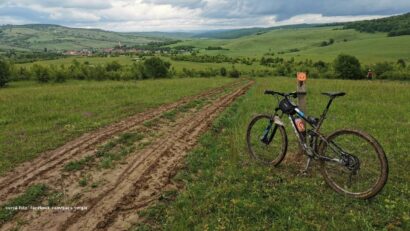
„All tourists also want to see a fortified church in the Saxon villages. We also have the Cistercian Monastery of Cârța, founded around 1200, unique in Eastern Europe, located just 15 kilometers from the commune of Viștea. In total, the region has approximately 15 objectives of national interest, including the Făgăraș Fortress, the Rupea Fortress, and the village of Viscri. A major attraction is also the Clay Castle in Valea Zânelor (Porumbacu), which registered 400,000 visitors last year, being the second most visited objective in the area. For cycling enthusiasts, we have developed two important routes. The first crosses the mountain area, highlighting the villages below the mountain, and the second follows the course of the Olt River. This route on the banks of the Olt is ideal for bird watching and photography, crossing a lake area. The routes also highlight the fascinating ethnic diversity of the place: on the right bank of the Olt River we find purely Romanian villages, which contrast with the Saxon villages located just a few kilometers away. The story of the centuries-old coexistence between these communities and the fortifications built to defend against migrating peoples is a captivating one for visitors.”
The charm of the region is not only reflected in the historical monuments or natural landscapes, but also in the vitality of local communities, who have refused to abandon ancient customs. Florin Ioani highlights the importance of this intangible heritage, explaining how the rhythm of rural life has remained unchanged for centuries, from agricultural practices to community celebrations.
“What truly defines Țara Făgărașului is the authenticity of rural life. Here, pastoral traditions are still alive: sheepfolds operate according to old rules, and grazing is done “in dévalmășie”,with loose flocks on unfenced lands, in full communion with nature. Local products, such as cheese, are made according to traditional methods. The calendar of local events is rich, with a special emphasis on winter holidays, where traditions are sacredly preserved. A notable example is the “Ceata de Feciori”, a custom included in the UNESCO heritage.”
Beyond numbers and specific tourist attractions, Țara Făgărașului offers visitors a return to their origins. The preservation of the pastoral way of life and the protection of the forest fund transform a simple visit into an exploration of an archaic lifestyle, increasingly rare in Europe. In conclusion, Florin Ioani launches an invitation to those who seek authenticity.
“The most numerous are mountain tourists, many of whom come from abroad specifically to hike the Făgăraș ridge, which is approximately 60 kilometers long. A second category is made up of those we call “explorers” – tourists who seek authentic villages, tranquility and a way of life connected to nature. They are impressed by the fact that the traditional system of village organization – with herds of animals and pastoral life – still functions, unlike other industrialized or crowded areas. The natural heritage is impressive: approximately 40% of the surface of Făgăraș Land is covered by forests, some of them virgin and centuries-old, where there has never been any intervention. We invite you to discover a fairytale land, where the magic of the place is given by both people and wild nature. Făgăraș Land is not just a tourist destination, but an experience of exploring an authentic Transylvania.”
So, whether you choose the challenge of the alpine ridges or the tranquility of the villages at the foot of the mountains, a vacation in Țara Făgăraș becomes an incursion into an authentic Transylvania, unchanged by the passage of time.