






























































































| PROSPECTS OF THE BUCHAREST-CHISINAU RELATIONSHIP 05/02/2010 |
| Last updated: 2010-02-08 14:18 EET |
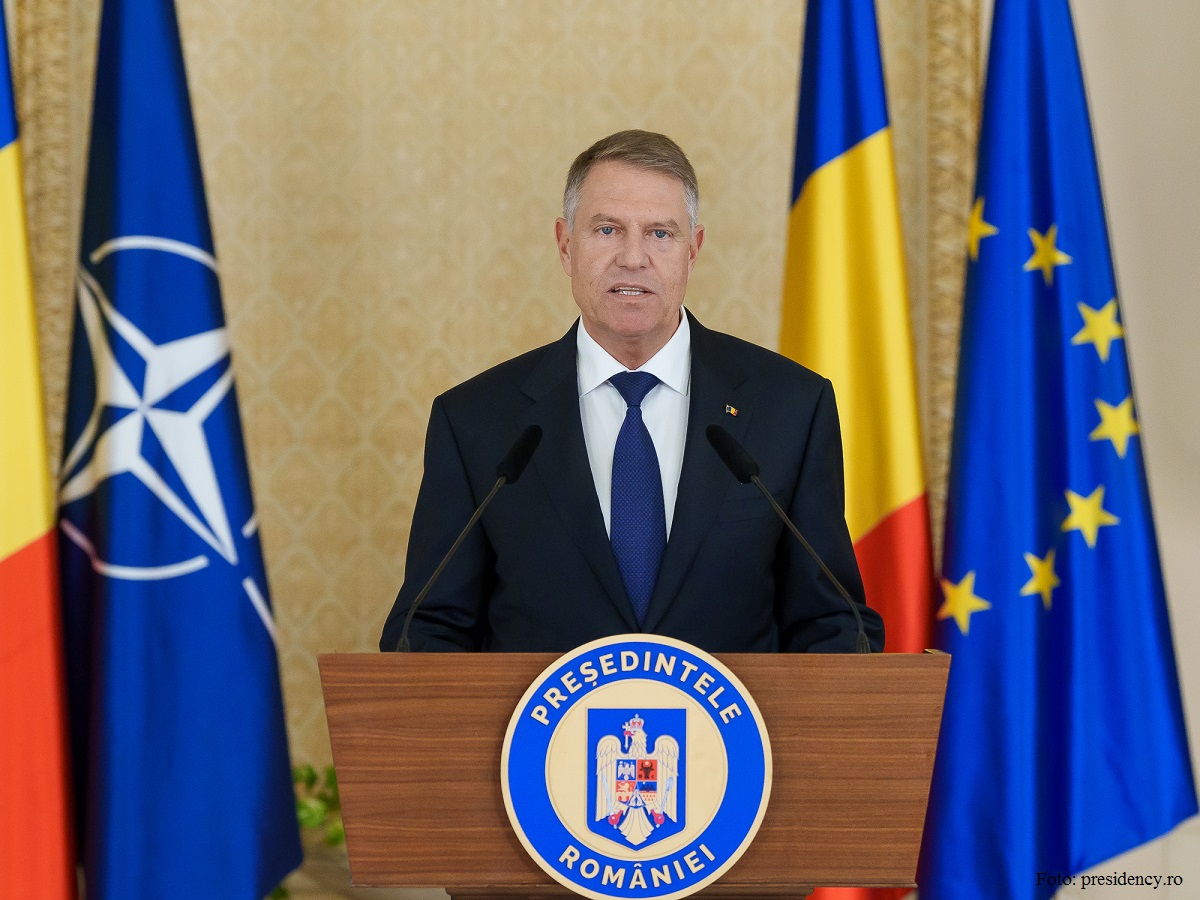
After 8 years of frozen relations due to the deep-seated hatred of Romania shown by the former Russian-leaning Communist power in Chisinau, Romania was quick to take advantage of the thaw, following the emergence of a new pro-Western administration in the autumn. Basescu picked Chisinau as the destination for the first foreign visit of his second presidential term and has labelled the Europeanisation of the Republic of Moldova as his most important project. The statement made by Moldovan president Mihai Ghimpu also seemed to support this stance:
“I believe that there are no problems that the regime in Bucharest and the Chisinau administration cannot solve. We are two states, but we share an underlying culture, and identity and language.”
Highly incompetent, the Communist regime managed to multiply the effects of the international economic crisis. The new government obtained a loan worth over half a billion dollars from the US from the IMF and a 260-million loan from the US. However, as the poorest European state, Chisinau still desperately needs funds. That is why president Basescu felt the need to say the following:
“Romania has decided to grant non-reimbursable financial support to the Republic of Moldova that will extend between 2010 and 2013. This loan is worth 100 million euros and will be allotted in 4 yearly instalments, each standing at 25 million euros. It will cover education, infrastructure projects (mainly modernising schools) and locally important infrastructure projects.’’
The Romanian delegation also talked about projects that could bring the Republic of Moldova closer to the EU, via Romania, firstly by integrating infrastructure. The projects include the connection of the gas pipelines and power grids, in order to reduce Chisinau’s energy dependence on Moscow. Basescu also supported the replacement of Soviet-style railways in the Republic with more modern European ones. ‘’The railway gauges in the republic are too wide by European standards, which confines Moldova to the Eastern commercial space and sets the tone for its economic system’’, economic expert Valeriu Prohnitchi says. Analyst Armand Gosu, deputy editor-in-chief of Bucharest daily ‘22’, believes that all these Romanian initiatives are their own way of supporting The Republic of Moldova’s European aspirations, after Brussels failed to observe Bucharest’s suggestion to include the former Soviet state among potential EU candidates from the Balkans:
‘’Romania has not managed to impose this idea on the EU, namely including Moldova in the Western Balkans group, in order to speed up its accession or set up an accession calendar for the Republic of Moldova. We are still a long way off, and it seems that Romania’s proposal to integrate the Republic of Moldova in the Western Balkans group was not the best solution.”
A sociologist and expert on the ex-Soviet area, the Romanian professor Dan Dungaciu hails the political results of president Basescu’s visit which are the most impressive since 1991, when Chisinau proclaimed its independence from the former Soviet Union. Dungaciu warns, however, that these projects are still a long way from becoming reality:
“We’ve never before seen such statements in the history of the relationship between Romania and the Republic of Moldova, but they must be put on paper and turned into reality. The rhetoric of the meeting, which is very encouraging, must be followed by 99 percent perspiration, both in Bucharest and in Chisinau, so that these beautiful words become reality and give substance to the partnership for European integration between Romania and the Republic of Moldova. This is what we should expect after president Basescu’s visit to Chisinau, because that’s when the difficult part really begins.”
|